


Most american companies spend nearly 30 percent of their operational budgets on non-core tasks each year. Managing administrative work, technical issues, and HR challenges can hold back even the most promising businesses. Business support services offer a smarter way to free up resources and reach organizational goals. This guide will help you understand how outsourcing these functions empowers american businesses to scale efficiently, reduce costs, and focus on real growth.
What Are Business Support Services?
Business support services are specialized external activities designed to help organizations optimize their operational efficiency and focus on core business objectives. These services encompass a wide range of professional solutions that handle non-core administrative, technical, and strategic functions, allowing companies to streamline processes and allocate resources more strategically.
Traditionally, business support services include critical areas such as:
- Administrative management
- Information technology support
- Human resources coordination
- Financial processing and accounting
- Customer service operations
- Data entry and research
- Payroll and benefits administration
- Supply chain logistics management
The fundamental purpose of these services is to provide scalable, cost-effective solutions that enable businesses to reduce overhead expenses while maintaining high-performance standards. By outsourcing complex but non-strategic tasks, organizations can redirect internal talent towards innovation, product development, and strategic growth initiatives. Key benefits of business process outsourcing can significantly transform how companies approach operational management.
Modern business support services have evolved beyond traditional administrative functions, now incorporating advanced technological capabilities like cloud computing, artificial intelligence, and data analytics. These sophisticated service models help businesses adapt quickly to market changes, access global talent pools, and maintain competitive edge without substantial capital investments in infrastructure or specialized personnel.
Types of Business Support Services Offered
Business support services encompass a comprehensive array of specialized solutions designed to enhance organizational effectiveness across multiple operational domains. These services are strategically categorized to address diverse business needs, ranging from administrative support to advanced technological infrastructure management.
Core business support service types include:
- Administrative Services
- Document management
- Scheduling and coordination
- Office management
- Digital file organization
- Technical Support Services
- IT infrastructure management
- Software and hardware support
- Network security
- Cloud computing solutions
- Human Resources Support
- Recruitment processing
- Payroll management
- Employee training programs
- Performance tracking
- Financial Management Services
- Accounting support
- Bookkeeping
- Tax preparation
- Financial reporting
Businesses increasingly recognize the strategic advantage of outsourcing these functions. Why outsource non-core functions can provide comprehensive insights into how these services transform operational efficiency.
Advanced business support services now integrate cutting-edge technologies like artificial intelligence, machine learning, and predictive analytics. These sophisticated service models enable organizations to access specialized expertise without substantial internal investments, helping companies scale rapidly, reduce operational costs, and maintain competitive agility in dynamic market environments.

How Remote and Outsourced Support Works
Remote and outsourced support represents a sophisticated approach to business operations where specialized external teams handle critical organizational functions from geographically distributed locations. This model enables companies to access global talent, reduce operational costs, and maintain high-performance standards without substantial internal infrastructure investments.
The operational framework for remote and outsourced support typically involves several key stages:
- Requirement Analysis
- Identifying specific business support needs
- Defining performance metrics and expectations
- Establishing communication protocols
- Talent Acquisition
- Recruiting specialized professionals
- Screening and skill verification
- Training in company-specific processes
- Technology Integration
- Implementing secure communication platforms
- Creating shared digital workspaces
- Establishing robust data protection mechanisms
- Performance Management
- Regular performance tracking
- Continuous quality assurance
- Periodic review and optimization
Tech support outsourcing guide provides deeper insights into how organizations can effectively leverage these advanced support strategies.
Advanced remote support models now incorporate cutting-edge technologies like artificial intelligence, machine learning, and real-time collaboration tools. These sophisticated approaches enable seamless integration of external teams, allowing businesses to scale rapidly, access specialized expertise, and maintain operational flexibility in an increasingly dynamic global marketplace.
Key Benefits for Growing Businesses
Business support services provide transformative advantages for growing organizations seeking strategic operational optimization. These comprehensive solutions enable companies to navigate complex business landscapes by offering specialized expertise, technological capabilities, and scalable resources that drive sustainable growth and competitive advantage.
Key benefits for growing businesses include:
- Cost Optimization
- Reduced overhead expenses
- Elimination of recruitment and training costs
- Predictable budget allocations
- Lower infrastructure investments
- Operational Flexibility
- Rapid team scaling
- Access to global talent pools
- Quick adaptation to market changes
- Streamlined business processes
- Strategic Focus
- More time for core business activities
- Enhanced innovation potential
- Improved resource allocation
- Reduced administrative burden
- Technological Advancement
- Access to cutting-edge technologies
- Advanced software and tools
- Continuous technological upgrades
- Seamless digital transformation
Outsourcing solutions for business growth demonstrate how strategic external partnerships can dramatically accelerate organizational development and performance.
Modern business support services represent more than cost-saving mechanisms. They are strategic enablers that help growing businesses build resilient, adaptable infrastructures capable of responding quickly to emerging market opportunities. By leveraging external expertise and advanced technological platforms, companies can create robust operational frameworks that support sustainable growth and long-term competitive positioning.
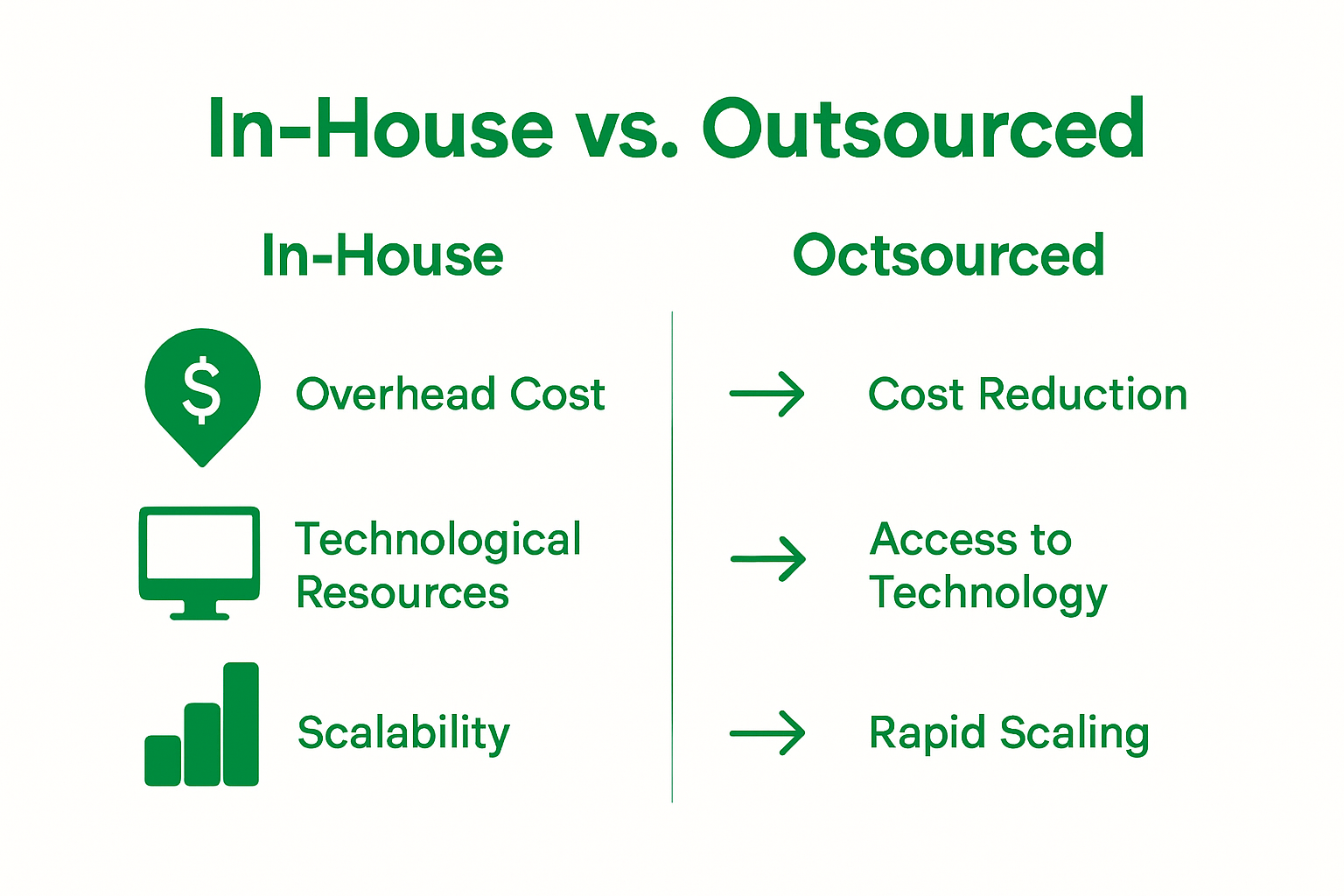
Cost, Risks, and Choosing a Provider
Selecting the right business support services provider requires a strategic approach that balances cost considerations, potential risks, and comprehensive performance evaluation. Companies must conduct thorough due diligence to ensure alignment between external support capabilities and their specific organizational requirements.
Key cost and risk assessment factors include:
- Financial Considerations
- Transparent pricing models
- Competitive rate structures
- Hidden cost identification
- Long-term budget implications
- Risk Management Strategies
- Data security protocols
- Compliance verification
- Contractual liability limitations
- Disaster recovery capabilities
- Provider Capability Evaluation
- Technical infrastructure
- Professional expertise
- Industry-specific experience
- Scalability potential
- Performance Metrics
- Service level agreements (SLAs)
- Key performance indicators
- Quality assurance mechanisms
- Continuous improvement frameworks
Step-by-step guide to business process outsourcing success offers comprehensive insights into selecting the most appropriate external support partner.
Successful provider selection transcends simple cost comparisons. Smart businesses prioritize providers demonstrating robust technological capabilities, proven track records, and adaptable service models that can evolve alongside their strategic growth objectives. This approach transforms external support from a transactional service into a strategic partnership driving organizational innovation and competitive advantage.
Unlock Your Business Potential with Expert Support Services
Understanding the critical role that business support services play in streamlining operations and driving growth is the first step toward transforming your company’s performance. If your organization struggles with high overhead costs, complex non-core tasks, or the challenge of scaling efficiently, NineArchs LLC offers tailored solutions to ease these pain points. Our expertise in business process outsourcing, virtual assistance, and custom software development empowers your team to focus on core priorities while we handle administrative, technical, and strategic functions.
Take control of your operational efficiency today. Discover how our global remote workforce and cutting-edge technology can reduce costs, enhance flexibility, and strengthen your competitive advantage. Visit our contact page to learn more about our outsourcing solutions for business growth and find out why business process outsourcing with NineArchs is the catalyst your company needs for scalable success. Connect with us now to start building a smarter, more agile business infrastructure.
Frequently Asked Questions
What are business support services?
Business support services are specialized external activities designed to help organizations optimize their operational efficiency by handling non-core administrative, technical, and strategic functions.
What types of services are included in business support services?
Business support services typically include areas such as administrative management, IT support, human resources coordination, financial processing, customer service operations, data management, and supply chain logistics.
How does outsourcing business support services benefit a company?
Outsourcing business support services allows companies to reduce overhead costs, access specialized expertise, increase operational flexibility, and focus on core business activities, leading to enhanced innovation and growth.
What are the key considerations when choosing a business support services provider?
When selecting a provider, companies should evaluate financial considerations, risk management strategies, provider capabilities, and performance metrics to ensure alignment with their specific organizational needs.
Recommended
- Key Benefits of Business Process Outsourcing Explained | NineArchs
- Complete Guide to IT Support Outsourcing | NineArchs
- Business Process Documentation Guide for Efficient Operations | NineArchs
- 7 Top Support Tasks to Outsource for Greater Efficiency | NineArchs
- Cyber Essentials Explained: Certification, Benefits, and Compliance
- Was Sind Backoffice‑Services? Der Umfassende Leitfaden