
Strong communication systems drive productivity in every american workplace, yet poor communication costs businesses over 60 million annually. Many organizations struggle to keep messages clear, roles defined, and information secure as teams grow and tools change. Recognizing the true impact of effective communication is the first step to creating a workflow that supports collaboration, protects sensitive data, and keeps everyone on the same page. This actionable guide breaks down practical steps for optimizing how you connect and communicate across your organization.
Step 1: Assess Organizational Communication Needs
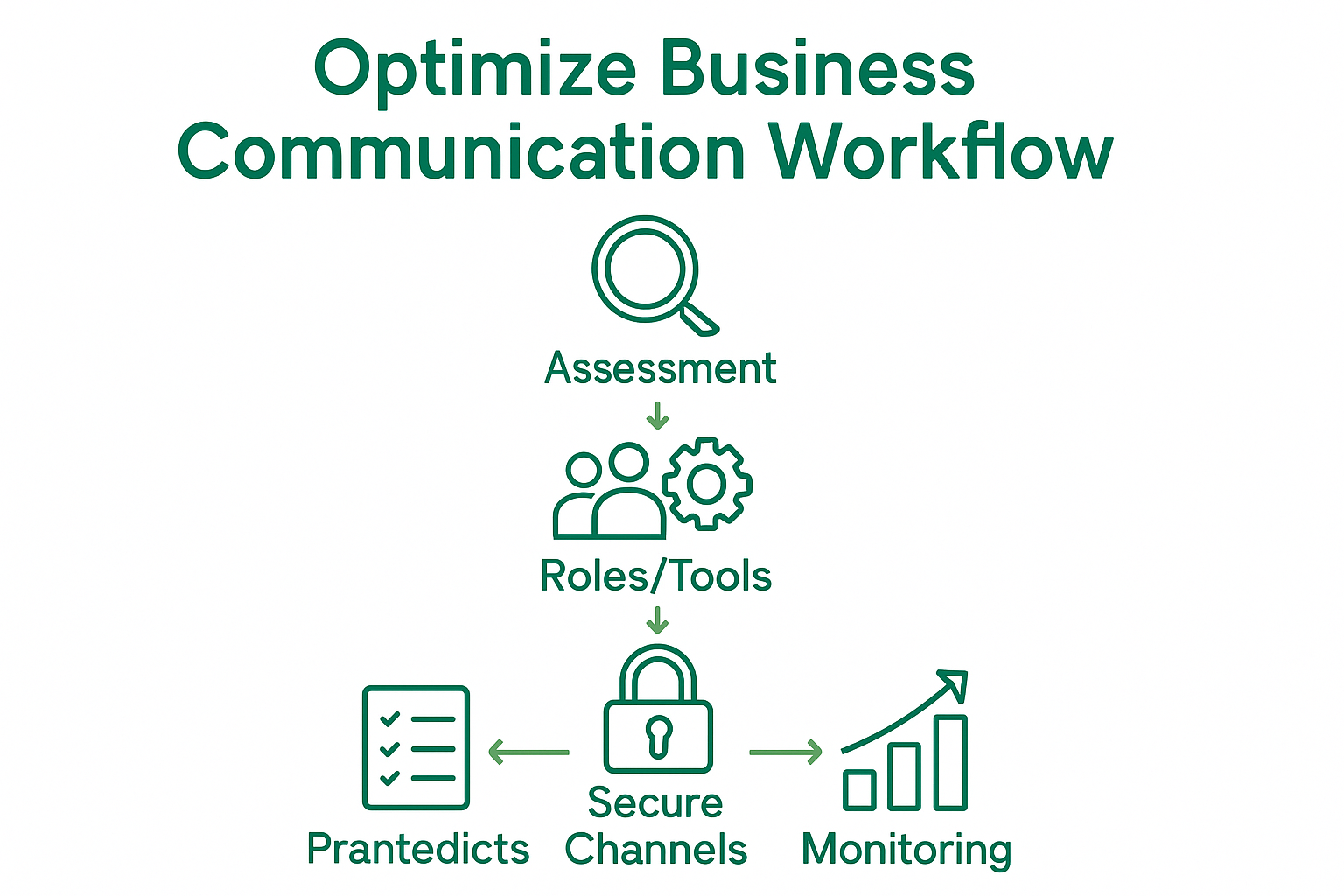
Understanding your organization’s communication dynamics starts with a comprehensive evaluation of current practices, channels, and effectiveness. This critical step will help you map out existing communication infrastructures and identify potential gaps or improvement opportunities.
Begin by conducting a systematic communication audit using established academic frameworks. Drawing from research by academic experts, focus on 21 key assessment criteria grouped across five primary categories: communication structure, message quality, communication media, communicator characteristics, and miscellaneous organizational factors. Your audit should involve multiple data collection methods including surveys, interviews, document analysis, and observational techniques.
Key evaluation areas will include examining communication flow patterns organizational hierarchies, assessing message clarity and transmission effectiveness, analyzing communication technologies and platforms currently in use, and understanding individual communicator competencies. Pro tip: Involve representatives from different organizational levels to gain a holistic perspective and ensure comprehensive insights. This approach prevents potential blind spots and provides a nuanced understanding of communication dynamics across the entire organizational ecosystem.
After completing your initial assessment, you will have a robust baseline understanding of your organization’s communication landscape, preparing you to design targeted improvement strategies in subsequent steps of your workflow optimization journey.

Step 2: Define Roles and Select Communication Tools
Defining clear communication roles and selecting the right communication tools are fundamental steps in creating an efficient organizational workflow. This stage will help you establish structured communication protocols and match appropriate technologies to your team’s specific communication needs.
Utilize media richness theory to strategically match communication tools with message complexity. Complex messages requiring immediate feedback or nuanced interpretation benefit from rich media channels like video conferencing or direct meetings. Simpler, straightforward communications can be effectively handled through leaner media such as email or instant messaging platforms. Organizational network analysis can further refine this process by mapping existing communication patterns and identifying natural information flow routes within your team.
When defining roles, create clear communication responsibilities for each team member. Assign specific communication channels and expectations for different types of interactions. For example, project updates might occur through project management software, while urgent issues could require direct phone or video communication. Pro tip: Develop a communication matrix that outlines who communicates what, when, and through which platform to reduce ambiguity and prevent communication bottlenecks.
By systematically defining roles and selecting appropriate communication tools, you create a robust framework that supports seamless information exchange and enhances overall team collaboration and productivity.
Step 3: Establish Secure and Scalable Communication Channels
Creating robust and adaptable communication infrastructure is crucial for maintaining organizational efficiency and protecting sensitive information. This step focuses on designing communication channels that can grow with your organization while ensuring maximum security and reliability.
Research on organizational hierarchies reveals the critical importance of aligning communication structures with your team’s specific needs. Start by mapping out both formal and informal communication networks within your organization. Examine how information naturally flows between different departments and team members, and design your communication channels to support these existing pathways. Consider implementing tiered access protocols that allow different levels of information sharing based on roles and responsibilities.
Prioritize security by selecting communication platforms with end-to-end encryption, multi factor authentication, and comprehensive access controls. Choose tools that offer granular permissions allowing you to restrict sensitive information to specific team members. Pro tip: Conduct regular security audits of your communication infrastructure and implement a clear protocol for onboarding and offboarding team members to prevent potential data leaks or unauthorized access. Remember that scalable communication channels should be flexible enough to accommodate your organization’s growth while maintaining strict security standards.
By thoughtfully establishing secure and adaptable communication channels, you create a resilient infrastructure that supports seamless collaboration and protects your organization’s most valuable asset: its information.
Step 4: Implement Standardized Processes and Protocols
Standardizing communication processes is essential for creating a consistent and predictable organizational workflow. This critical step helps eliminate confusion, reduce communication errors, and ensure that all team members understand their communication expectations and responsibilities.
Research highlights the importance of developing management centric approaches to communication protocols. Begin by documenting clear guidelines for different types of communication interactions including frequency, format, response times, and appropriate communication channels for various scenarios. Consider creating a comprehensive communication playbook that outlines expectations for email communications, meeting protocols, project updates, and emergency communication procedures. Your protocols should be flexible enough to accommodate different team dynamics while maintaining a structured framework that supports efficient information exchange.
Leverage digital communication tools to support and reinforce your standardized processes. Many modern platforms offer built in features that can help enforce communication protocols such as automated workflows, notification systems, and tracking mechanisms. Pro tip: Conduct periodic reviews of your communication protocols and be willing to adapt them based on team feedback and changing organizational needs. Ensure that all team members receive thorough training on these protocols and understand the reasoning behind the established guidelines.
By implementing well designed communication processes and protocols, you create a solid foundation for clear, efficient, and accountable organizational communication that supports overall team performance and collaboration.
Step 5: Monitor Workflow Performance and Make Adjustments
Monitoring and continuously improving your communication workflow is crucial for maintaining organizational effectiveness and adaptability. This step involves systematically tracking performance metrics, analyzing communication patterns, and implementing strategic adjustments based on data driven insights.
Utilize advanced analytical techniques to examine your organization’s communication ecosystem. Research demonstrates that analyzing email based social networks can provide profound insights into workflow dynamics. Implement quantitative and qualitative measurement tools that capture both objective communication metrics and subjective team feedback. Focus on key performance indicators such as response times, message clarity, information transfer efficiency, and team collaboration indicators. Develop a comprehensive tracking system that allows you to visualize communication flows, identify potential bottlenecks, and understand how information moves through your organization.
Create a structured feedback mechanism that enables continuous improvement. Regular performance reviews should involve collecting input from team members at all levels, analyzing communication effectiveness, and identifying areas for potential optimization. Pro tip: Establish a quarterly review process where you not only examine performance data but also solicit direct feedback from team members about communication challenges and potential solutions. This approach ensures that your communication workflow remains dynamic, responsive, and aligned with evolving organizational needs.
By consistently monitoring and adapting your communication workflow, you create a resilient system that can quickly respond to changing organizational requirements and maintain high performance standards.
Strengthen Your Business Communication with Expert Support
Optimizing your communication workflow starts with tackling the core challenges highlighted in the article such as aligning communication tools with message complexity, securing scalable channels, and implementing standardized protocols. If you are facing issues like unclear message flow, inefficient collaboration, or concerns about data security this is your chance to turn those pain points into strengths. NineArchs LLC specializes in providing tailored outsourcing solutions that streamline these exact areas through professional virtual assistance, custom software development, and business process outsourcing.
Take control of your organizational communication today by leveraging NineArchs’ reliable and scalable remote workforce solutions. Our expertise can help you build secure infrastructure, define clear roles, and monitor performance effectively so your team can focus on driving business results. Don’t wait until inefficiencies slow your growth visit contact NineArchs LLC now to discover how we can tailor our services to fit your unique communication workflow needs and empower your business for lasting success.
Frequently Asked Questions
How can I assess my organization’s communication needs effectively?
Start by conducting a comprehensive communication audit that includes surveys and interviews with team members. This will help you identify current practices and gaps, laying the groundwork for targeted improvements within 30 days.
What roles should I define within my communication framework?
Clearly outline communication responsibilities for each team member, specifying who communicates what and through which channels. Create a communication matrix to reduce confusion and establish clear expectations for communication types and frequency.
What tools should I consider for enhancing my communication workflow?
Select tools based on the complexity of your messages. For example, use video conferencing for discussions requiring immediate feedback and email for straightforward updates. Evaluate available options and implement the most suitable tools within the next 60 days.
How do I ensure security in my communication channels?
Prioritize selecting platforms that offer end-to-end encryption and granular permissions to protect sensitive information. Conduct regular security audits and implement access protocols to maintain a secure communication infrastructure.
How can I standardize communication processes in my organization?
Document clear guidelines for various communication interactions, including response times and preferred channels. Consider developing a comprehensive communication playbook to ensure all team members are aligned with expectations.
What metrics should I monitor to improve my communication workflow over time?
Focus on key performance indicators like response times, message clarity, and information transfer efficiency. Set up a tracking system to visualize communication flows and establish a quarterly review process to identify areas for improvement.
Recommended
- Business Process Documentation Guide for Efficient Operations | NineArchs
- 7 Essential Outsourcing Tips for Businesses to Succeed | NineArchs
- Save Your Company from Suspicious Email with Proven Steps | NineArchs
- 7 Essential Outsourcing Solutions for Business Growth | NineArchs
- Understanding the Importance of Customer Communication – My WordPress