



Over 90 percent of American businesses now rely on some form of cloud-based technology to keep their operations running smoothly. As digital transformation accelerates, understanding cloud IT support becomes crucial for companies facing rapid growth and shifting demands. This article sheds light on the core elements of cloud IT support, revealing how modern organizations can gain flexibility, reduce costs, and stay competitive in an ever-evolving technological environment.
Defining Cloud IT Support
Cloud IT support represents a transformative approach to managing technological infrastructure and services through distributed, internet-based systems. Unlike traditional on-premises IT models, cloud support enables businesses to access advanced technological resources without maintaining extensive physical hardware or dedicated internal teams. By leveraging understanding what is outsourced IT, organizations can dynamically scale their technological capabilities.
At its core, cloud IT support involves providing technical assistance, maintenance, and management of computing resources through remote, virtualized networks. These resources include servers, storage systems, databases, networking tools, and software applications accessible via internet protocols. The fundamental characteristic of cloud support is its on-demand accessibility, allowing businesses to provision and release computing resources with minimal administrative overhead.
The key components of cloud IT support typically encompass several critical service models:
- Infrastructure as a Service (IaaS): Provides fundamental computing infrastructure like virtual machines and storage
- Platform as a Service (PaaS): Offers development and deployment environments for creating custom applications
- Software as a Service (SaaS): Delivers fully functional software applications through cloud platforms
These models enable businesses to access sophisticated technological capabilities without substantial upfront investments in physical infrastructure. By utilizing cloud support, companies can reduce operational costs, improve flexibility, and focus on core business objectives.
Pro Tip for Strategic Implementation: Conduct a comprehensive assessment of your current IT infrastructure before migrating to cloud support, identifying specific operational needs and potential integration challenges to ensure a smooth technological transition.
Cloud Support Service Types Explained
Cloud computing services are strategically designed to meet diverse business technological needs through three primary service models: Infrastructure as a Service (IaaS), Platform as a Service (PaaS), and Software as a Service (SaaS). These models represent different levels of managed technological resources, allowing businesses to select the most appropriate approach for their specific operational requirements. By examining examples of support desk services for scaling businesses, organizations can better understand how these service types translate into practical technological solutions.
Infrastructure as a Service (IaaS) provides the most foundational level of cloud computing, offering virtualized computing resources over the internet. In this model, businesses can access fundamental computing infrastructure like virtual machines, storage systems, and networking components without investing in physical hardware. Companies essentially rent their entire computing infrastructure, allowing for unprecedented flexibility and scalability in technological resource management.
Platform as a Service (PaaS) represents a more comprehensive service model that goes beyond basic infrastructure. This approach provides developers and technical teams with a complete development and deployment environment. PaaS offerings typically include:
- Integrated development environments
- Database management tools
- Collaboration features for development teams
- Automated deployment capabilities
- Comprehensive security frameworks
Software as a Service (SaaS) delivers fully functional software applications directly through cloud platforms. Unlike traditional software deployment models, SaaS eliminates the need for complex installations, manual updates, and extensive maintenance. Users can access sophisticated applications through web browsers, ensuring consistent performance and seamless accessibility across multiple devices and locations.
Pro Tip for Strategic Service Selection: Conduct a thorough assessment of your organization’s technological requirements, budget constraints, and scalability needs before selecting a specific cloud service model to ensure optimal alignment with your business objectives.
Here is a comparison of the main cloud support service models and their ideal business uses:
| Service Model | Main Focus | Typical Use Case | Business Advantage |
|---|---|---|---|
| IaaS (Infrastructure) | Virtual hardware resources | Rapid growth companies | Maximum flexibility, control |
| PaaS (Platform) | Application development | Software developers | Fast app deployment |
| SaaS (Software) | Cloud-based applications | Non-technical businesses | Low IT overhead, easy access |
How Cloud IT Support Works
Cloud IT support operates through a sophisticated ecosystem of interconnected technological resources managed by cloud service providers (CSPs) that enable businesses to access advanced computing capabilities without maintaining complex internal infrastructure. The fundamental mechanism involves hosting critical IT services and resources on remote servers, which can be accessed securely through internet protocols. Organizations can master the IT support delegation process to effectively leverage these distributed technological networks.
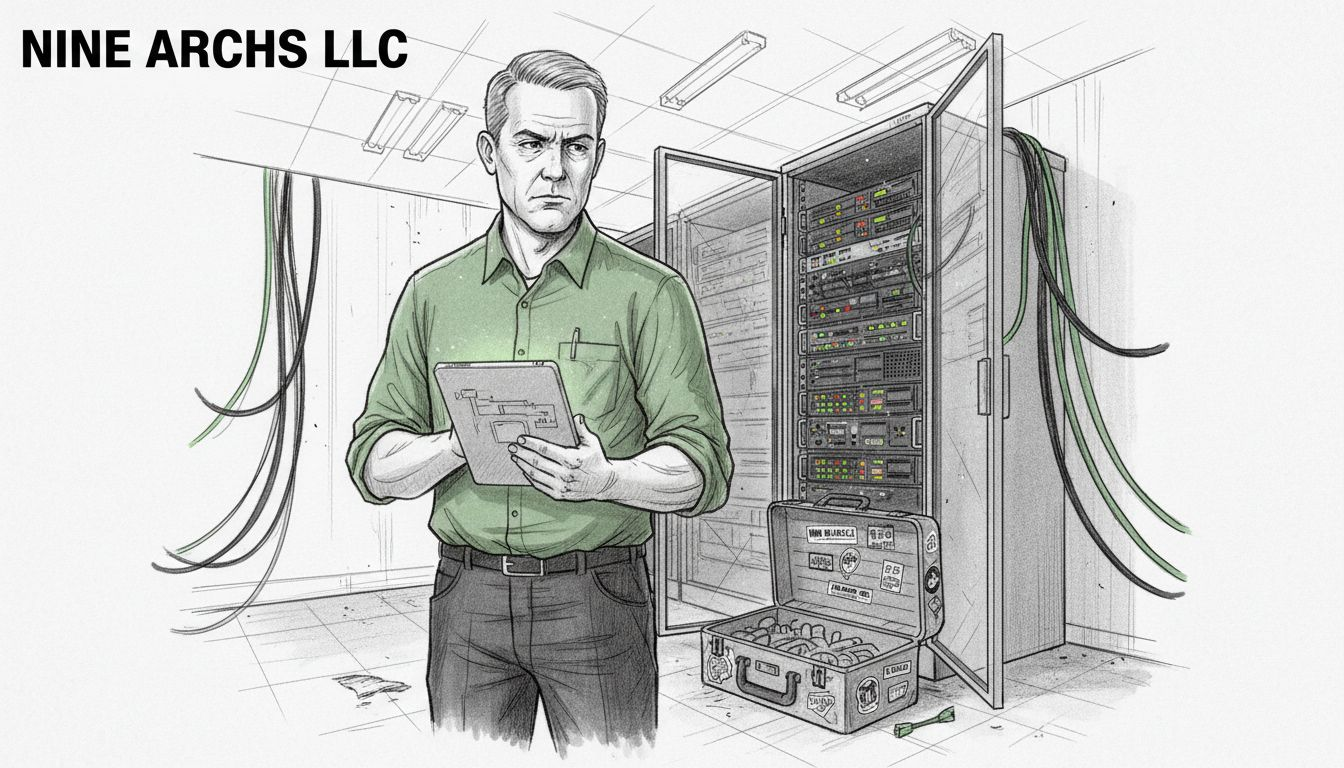
The operational framework of cloud IT support relies on a multi-layered architecture that allows seamless resource allocation and management. Cloud service providers maintain extensive data centers with powerful servers, robust networking equipment, and sophisticated storage systems. These infrastructure components are designed to provide high availability, scalability, and performance optimization for businesses across various technological requirements.
The typical workflow of cloud IT support involves several critical stages:
- Resource Provisioning: Automatically allocating computing resources based on organizational needs
- Authentication and Security: Implementing robust access controls and encryption protocols
- Monitoring and Management: Continuously tracking system performance and potential issues
- Maintenance and Updates: Applying software patches and infrastructure upgrades
- Disaster Recovery: Ensuring data backup and rapid system restoration capabilities
Cloud IT support fundamentally transforms traditional technological service delivery by introducing unprecedented flexibility and efficiency. Instead of maintaining expensive on-site hardware and dedicated technical teams, businesses can now access enterprise-grade technological capabilities through flexible, subscription-based models that adapt dynamically to changing organizational requirements.
Pro Tip for Smooth Implementation: Conduct a comprehensive technical assessment of your existing IT infrastructure and identify specific compatibility requirements before migrating to cloud support services to ensure a seamless and optimized transition.
Key Business Benefits of Cloud IT Support
Cloud IT support offers transformative advantages that fundamentally reshape how businesses approach technological infrastructure and operational efficiency. Cost reduction emerges as a primary benefit, enabling organizations to eliminate substantial upfront investments in physical hardware and ongoing maintenance expenses. By exploring key reasons to outsource IT for business growth, businesses can strategically leverage cloud support to optimize their technological spending and resource allocation.
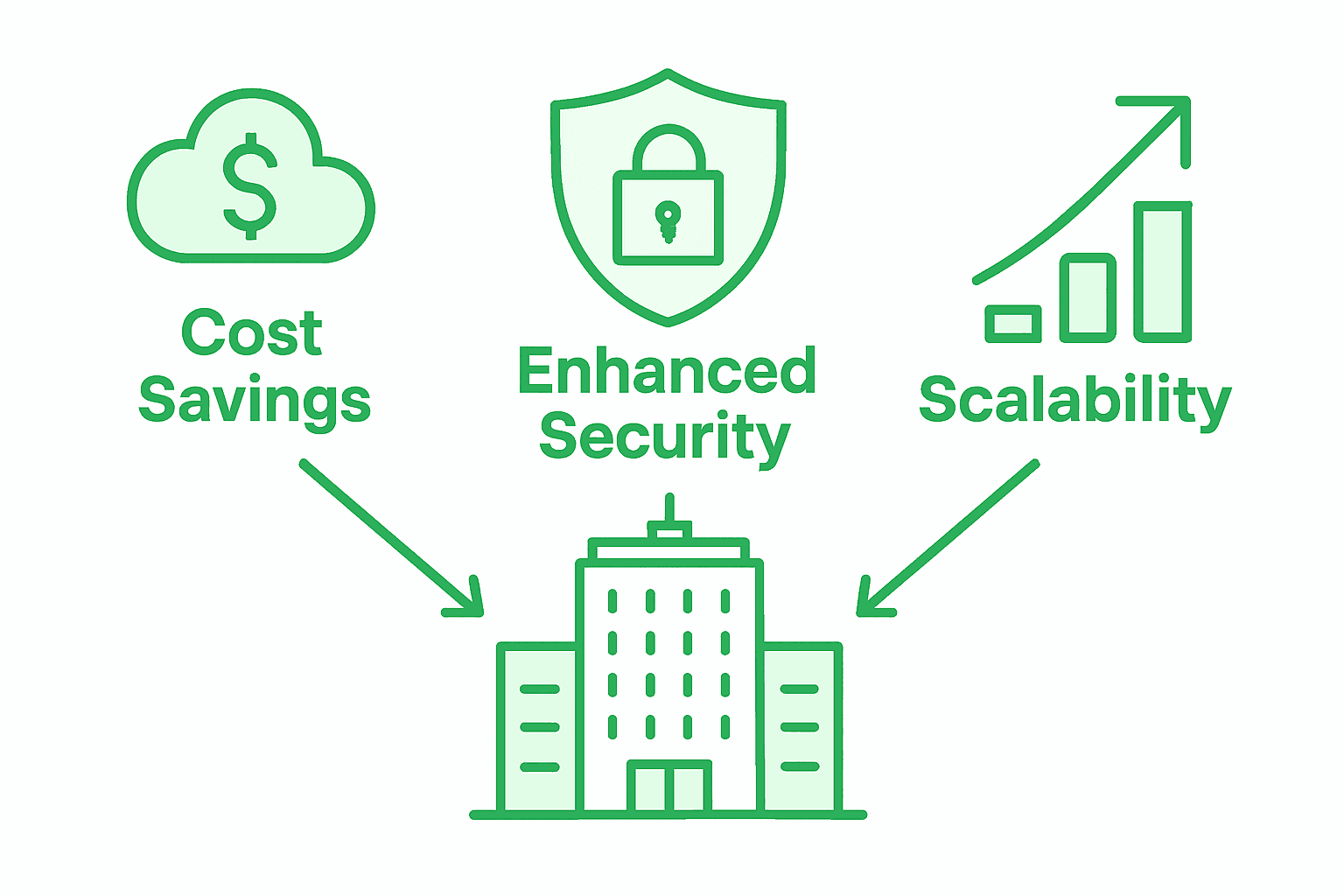
The scalability and flexibility of cloud IT support provide unprecedented operational agility for modern businesses. Companies can dynamically adjust their technological resources based on real-time demands, scaling computing power, storage, and software capabilities up or down without significant capital expenditure. This elasticity allows organizations to respond quickly to market changes, seasonal fluctuations, and emerging business opportunities without being constrained by traditional IT infrastructure limitations.
Key business benefits of cloud IT support include:
- Reduced Technology Costs: Eliminating expenses related to hardware purchases, maintenance, and upgrades
- Enhanced Security: Advanced encryption and comprehensive threat protection mechanisms
- Improved Collaboration: Seamless remote access and real-time document sharing capabilities
- Automatic Updates: Continuous software and security patch management
- Business Continuity: Robust disaster recovery and data backup solutions
- Global Accessibility: Enabling workforce productivity from any location with internet connectivity
Moreover, cloud IT support dramatically transforms technological risk management by transferring complex infrastructure maintenance responsibilities to specialized service providers. Instead of maintaining extensive in-house technical teams, businesses can leverage expert-managed platforms that ensure optimal performance, security, and technological currency. This approach allows organizational leadership to focus on core strategic objectives rather than getting entangled in technical infrastructure management.
Pro Tip for Strategic Implementation: Conduct a comprehensive technology audit and develop a phased migration strategy that aligns cloud IT support capabilities with your specific organizational goals and existing technological ecosystem.
Risks And Compliance Considerations
Navigating the complex landscape of cloud IT support requires a strategic approach to managing potential risks and regulatory compliance. Organizations must critically evaluate the security implications and legal frameworks surrounding cloud-based technological infrastructure. By exploring the complete guide to IT support outsourcing, businesses can develop comprehensive risk mitigation strategies that protect their technological assets and maintain regulatory adherence.
Data privacy and security vulnerabilities represent the most significant concerns for businesses considering cloud IT support. Different industries face unique compliance requirements, ranging from healthcare regulations like HIPAA to financial standards such as PCI DSS. Organizations must conduct thorough assessments to ensure that cloud service providers meet specific regulatory standards and can demonstrate robust protection mechanisms for sensitive information.
Key risks and compliance considerations include:
- Data Sovereignty: Understanding geographic restrictions on data storage and transmission
- Security Protocols: Implementing multi-layered encryption and access control mechanisms
- Regulatory Compliance: Ensuring alignment with industry-specific legal requirements
- Vendor Assessment: Conducting comprehensive background checks on cloud service providers
- Contractual Protections: Developing detailed service level agreements (SLAs)
- Incident Response: Creating clear protocols for potential security breaches
Moreover, businesses must develop a proactive approach to managing technological risks. This involves creating comprehensive internal policies that address potential vulnerabilities, conducting regular security audits, and maintaining transparent communication channels with cloud service providers. The goal is to establish a robust framework that balances technological innovation with stringent security and compliance requirements.
Pro Tip for Risk Management: Develop a comprehensive risk assessment matrix that systematically evaluates potential security vulnerabilities and compliance challenges before implementing any cloud IT support solution.
The following table summarizes major risks with recommended strategies for cloud IT support compliance:
| Risk Area | Example Challenge | Mitigation Strategy |
|---|---|---|
| Data Sovereignty | Cross-border data transfer | Verify data residency policies |
| Security Vulnerabilities | Phishing, breaches | Enforce multi-factor authentication |
| Regulatory Non-Compliance | Failing industry standards | Regular third-party audits |
Choosing Cloud IT Support Options
Selecting the right cloud IT support solution requires a strategic evaluation of your organization’s unique technological requirements and operational objectives. Comprehensive assessment becomes critical in identifying the most appropriate cloud service model that aligns with your business goals. By exploring tech support outsourcing strategies, businesses can develop a nuanced approach to technological infrastructure selection that maximizes efficiency and minimizes potential implementation challenges.
The decision-making process involves analyzing several key comparative dimensions across different cloud support options. Organizations must carefully evaluate factors such as scalability, cost structure, security protocols, integration capabilities, and specific industry compliance requirements. This multifaceted assessment ensures that the selected cloud IT support solution provides not just technological capabilities, but strategic alignment with broader organizational objectives.
Key considerations when choosing cloud IT support options include:
- Performance Requirements: Assessing computational and storage needs
- Budget Constraints: Analyzing total cost of ownership and pricing models
- Security Specifications: Evaluating encryption and data protection mechanisms
- Scalability Potential: Understanding flexible resource allocation capabilities
- Vendor Reputation: Investigating provider track record and service reliability
- Integration Complexity: Determining compatibility with existing technological ecosystem
Moreover, businesses should adopt a phased approach to cloud IT support selection. This involves conducting pilot programs, performing thorough vendor assessments, and developing comprehensive migration strategies that minimize operational disruption. The goal is to create a flexible technological infrastructure that can adapt to evolving business requirements while maintaining robust performance and security standards.
Pro Tip for Strategic Selection: Create a detailed evaluation matrix that weights technical requirements, financial implications, and strategic alignment before making a final cloud IT support decision.
Unlock the Full Potential of Cloud IT Support for Your Business
Managing cloud IT support involves challenges like ensuring seamless scalability, rigorous security, and cost-effective resource management. The article highlights critical concepts such as Infrastructure as a Service, data sovereignty, and risk mitigation, all of which can feel overwhelming without the right expertise. If your goal is to reduce technology costs while improving flexibility and maintaining compliance, you need a trusted partner who understands these complexities and aligns technology with your growth objectives.
NineArchs LLC specializes in tailored remote workforce solutions that empower your business to overcome these exact challenges. From virtual assistance to custom software development and strategic outsourcing, we help you harness cloud IT support advantages without the burden of managing them in-house. With our focus on professionalism, scalability, and security, you gain not just technical support but a partner committed to your long-term success.
Ready to transform your IT infrastructure and accelerate growth? Explore how our comprehensive tech support outsourcing guide can streamline your cloud IT needs.
Start your journey toward efficient and scalable cloud IT support today by contacting NineArchs LLC. Visit Contact NineArchs to connect with experts who will help you build a resilient and cost-effective tech ecosystem tailored for your business. Do not wait – secure your competitive edge now by exploring ways we can support your digital transformation and operational excellence.
Frequently Asked Questions
What is cloud IT support?
Cloud IT support refers to the management and maintenance of technology resources through internet-based systems, allowing businesses to access servers, storage, and software without extensive physical infrastructure.
How do the different cloud service models (IaaS, PaaS, SaaS) differ?
IaaS provides virtual hardware resources, PaaS offers complete development environments for application creation, and SaaS delivers fully functional software applications directly through cloud platforms, each catering to different business needs.
What are the main benefits of using cloud IT support for businesses?
Key benefits of cloud IT support include reduced technology costs, enhanced security, improved collaboration, automatic updates, business continuity, and global accessibility.
What risks should businesses consider when migrating to cloud IT support?
Businesses should evaluate data privacy concerns, security vulnerabilities, regulatory compliance, vendor assessments, and the need for comprehensive incident response strategies when migrating to cloud IT support.