

Over half of american companies report that automation directly improves productivity and lowers operational costs. Yet the path to streamlined business automation can feel complex without a clear strategy. This guide breaks down practical steps every american business leader needs to assess workflows, select smart tools, and manage remote teams so your organization can maximize the true potential of automation.
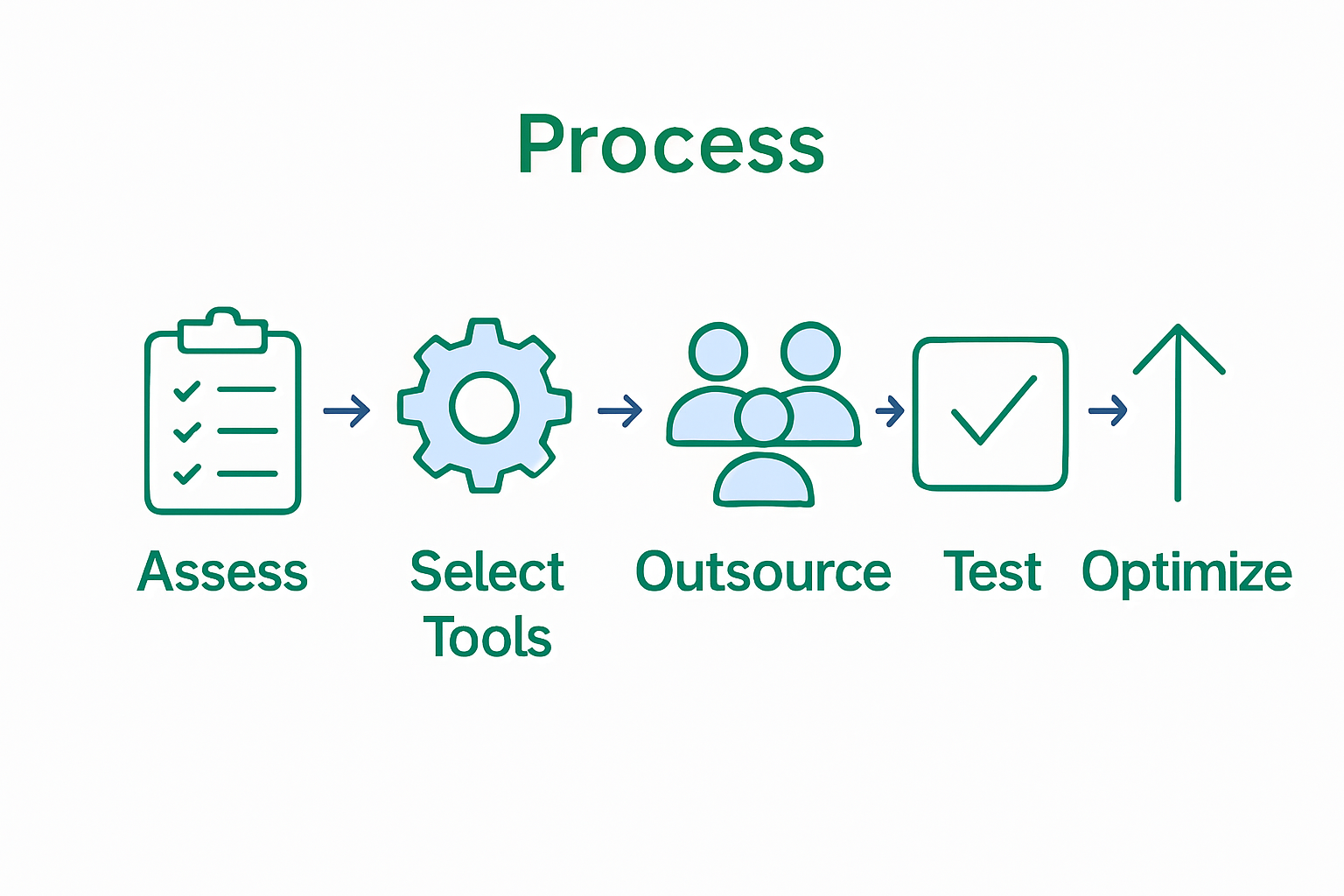
Step 1: Assess Current Workflows and Identify Automation Needs
Understanding your existing business processes is the critical first stage in implementing strategic automation. This step helps you map out precisely where technology can enhance operational efficiency and create scalable growth opportunities.
Begin by conducting a comprehensive workflow audit across all organizational departments. This means systematically documenting each task performed, tracking time investments, identifying manual repetitive actions, and evaluating current productivity bottlenecks. Computational management research suggests breaking down complex workflows into discrete task components that can be individually assessed for automation potential. When analyzing business process documentation, focus on tasks characterized by high repetition, standardized inputs, and predictable execution patterns.
Prioritize workflows based on three key metrics: time consumption, error rates, and potential return on automation investment. Look for processes that meet these criteria: repetitive nature, clear decision rules, structured data handling, and minimal human judgment requirements. For instance, data entry, invoice processing, customer onboarding, and reporting tasks often represent prime automation candidates. Create a detailed inventory ranking these workflows from highest to lowest automation potential, which will serve as your strategic roadmap for implementing targeted technological solutions.
Pro Tip: Not every process needs automation. Select opportunities where technology can demonstrably improve speed, accuracy, and cost efficiency without compromising quality or introducing unnecessary complexity.
The next step involves selecting appropriate automation technologies and designing a phased implementation strategy that aligns with your organization’s specific operational needs and technological readiness.
Step 2: Select and Integrate Suitable Automation Tools
Selecting the right automation tools is a strategic decision that will determine the effectiveness of your digital transformation efforts. This step focuses on identifying technology solutions that align precisely with your organizational workflows and growth objectives.

Start by conducting a comprehensive evaluation of potential automation platforms using a structured assessment framework. Optimize your business communication workflow by prioritizing tools that offer seamless integration capabilities, scalability, and adaptability to your specific operational requirements. Research indicates that personalized transformer models can significantly enhance workflow development efficiency, so seek platforms with intelligent recommendation systems and low code configurability. Key selection criteria should include functionality, cost effectiveness, system compatibility, ease of use, reliability, and compliance with industry standards.
Develop a shortlist of automation tools by mapping their features against your previously identified workflow automation needs. Pay close attention to tools that offer modular design, allowing incremental implementation and minimal disruption to existing processes. Consider factors such as API connectivity, machine learning capabilities, reporting features, and user interface intuitiveness. Prioritize solutions that provide robust security protocols and can demonstrate measurable performance improvements through concrete metrics and case studies.
Pro Tip: Always request comprehensive demos and trial periods before making a final tool selection. Real world testing reveals nuances that marketing materials cannot capture.
Once you have selected your automation tools, the next critical phase involves designing a phased implementation strategy that ensures smooth technological integration and minimal operational disruption.
Step 3: Outsource Key Processes to Expert Remote Teams
Outsourcing strategic processes to expert remote teams represents a powerful approach to accelerating business automation and accessing global talent. This step focuses on identifying, selecting, and integrating specialized external resources that can drive operational efficiency and scalability.
Begin by conducting a comprehensive analysis of your workflow to determine which processes are most suitable for external delegation. Analyze the pros and cons of outsourcing carefully, focusing on tasks that are well defined, repeatable, and do not require deep institutional knowledge. OECD research indicates that effective outsourcing strategies involve understanding how automation transforms skill requirements and leveraging global talent pools strategically. Look for remote teams with demonstrable expertise in your specific operational domain, strong technological infrastructure, and proven track records of delivering high quality results.
Develop a rigorous selection framework that evaluates potential remote teams across multiple dimensions. Consider factors such as technical proficiency, communication capabilities, cultural alignment, data security protocols, and proven performance metrics. Prioritize teams that demonstrate adaptability, possess relevant technological certifications, and show a clear understanding of your organizational objectives. Implement a phased onboarding approach that allows gradual knowledge transfer, comprehensive training, and continuous performance monitoring. This method ensures seamless integration and minimizes potential disruptions to your existing operational workflows.
Pro Tip: Always conduct thorough background checks and request detailed portfolio references before finalizing any remote team engagement. Initial small scale pilot projects can help assess compatibility and performance potential.
Once you have successfully integrated your remote teams, the next critical phase involves establishing robust communication protocols and performance tracking mechanisms to ensure ongoing operational excellence.
Step 4: Test Automated Systems for Accuracy and Compliance
Testing automated systems is a critical phase that validates the effectiveness and reliability of your technological investments. This step ensures your automation strategies deliver precise performance while maintaining rigorous compliance standards across your business processes.
Top IT outsourcing strategies emphasize the importance of comprehensive system validation. Develop a multilayered testing approach that combines automated and manual evaluation techniques. Research indicates that systematic testing frameworks should include functional accuracy tests, performance benchmarking, security protocol verifications, and compliance checks. Create detailed test scenarios that simulate real world operational conditions, examining how automated systems handle complex workflows, unexpected inputs, and edge case scenarios. Focus on developing test scripts that comprehensively validate system responses across multiple performance dimensions including speed, accuracy, data integrity, and regulatory adherence.
Implement a structured testing methodology that progressively evaluates system capabilities through incremental assessment stages. Begin with unit testing to validate individual component performance, followed by integration testing to ensure seamless interactions between different automated modules. Utilize advanced testing tools that provide robust reporting mechanisms, allowing you to track and document system performance metrics systematically. Pay special attention to data handling protocols, error management processes, and potential vulnerability points that could compromise system reliability or introduce compliance risks.
Pro Tip: Develop a comprehensive test documentation process that records every test scenario, expected outcome, and actual result. This creates a valuable knowledge base for continuous system improvement and future reference.
Once your automated systems have passed rigorous testing protocols, you will be prepared to move forward with full scale implementation and ongoing performance monitoring.
Step 5: Monitor Outcomes and Optimize Automation Continuously
Continuous monitoring and optimization represent the critical final phase of successful business automation, ensuring your technological investments deliver sustained value and adaptability. This step focuses on developing a proactive approach to tracking performance, identifying improvement opportunities, and maintaining alignment with organizational objectives.
Learn how to monitor outsourced staff while simultaneously evaluating automation system performance. Implement a comprehensive monitoring framework that combines quantitative metrics and qualitative assessments. Advanced research suggests utilizing multidimensional performance tracking mechanisms that capture operational efficiency, cost savings, error rates, and strategic alignment. Develop a structured dashboard that provides real time insights into key performance indicators, allowing you to quickly identify potential bottlenecks, performance gaps, and areas requiring immediate optimization. Utilize advanced analytics tools that can generate predictive insights, helping you anticipate potential system limitations before they impact overall business operations.
Establish a systematic review process that involves regular performance evaluations and iterative improvements. Create a feedback loop that involves stakeholders from different organizational levels to gather diverse perspectives on automation system effectiveness. Pay special attention to emerging technological capabilities, changing business requirements, and potential areas where machine learning and artificial intelligence can enhance existing automated workflows. Develop flexible optimization protocols that allow for incremental system adjustments, ensuring your automation strategies remain agile and responsive to evolving business needs.
Pro Tip: Schedule quarterly comprehensive reviews that go beyond surface level metrics, diving deep into the strategic impact of your automation initiatives and their alignment with long term organizational goals.
By maintaining a continuous optimization approach, you transform automation from a static technological solution into a dynamic strategic asset that consistently delivers measurable business value.
Empower Your Business Automation Journey with Expert Remote Solutions
Are you facing challenges in identifying the right workflows to automate or struggling to seamlessly integrate automation tools while maintaining accuracy and compliance? The article highlights how selecting suitable technologies and outsourcing key processes to expert remote teams can accelerate scalable growth without compromising quality. If you are feeling overwhelmed by complex implementation or continuous optimization demands, know that you are not alone.
At NineArchs LLC, we specialize in delivering tailored outsourcing services like virtual assistance, custom software development, and business process outsourcing that directly address your pain points. Our professional remote teams bring proven expertise to help you automate repetitive tasks, improve operational efficiency, and scale up effortlessly. We understand that continuous monitoring and optimization are vital and provide solutions built for flexibility, reliability, and cost efficiency.
Take the next step to transform your business automation strategy. Explore how our comprehensive remote workforce solutions can empower your organization to overcome implementation hurdles and thrive in the dynamic 2025 landscape.
Improve your automation workflows with trusted support now
Contact us at NineArchs LLC today to discuss a customized plan for your automation needs. Discover actionable insights on how to optimize your business communication workflow and learn more about the pros and cons of outsourcing to make informed decisions that speed up your growth.
Frequently Asked Questions
What are the first steps to assess automation needs in my business?
To assess automation needs, begin by conducting a comprehensive workflow audit across all departments. Document each task, track time investments, and identify repetitive actions to pinpoint areas that could benefit from automation.
How do I choose the right automation tools for my workflows?
Start by evaluating potential automation platforms based on their compatibility with your workflow needs. Prioritize tools that offer seamless integration, scalability, and strong reporting features, and create a shortlist that aligns with your specific operational requirements.
What processes should I consider outsourcing during automation?
Look for well-defined, repeatable tasks that do not require deep institutional knowledge for outsourcing. Evaluate processes based on their complexity, and select those that can benefit from specialized expertise without disrupting core operations.
How can I ensure that my automated systems are compliant and accurate?
Develop a multilayered testing approach that includes both automated and manual evaluations to validate system effectiveness. Create comprehensive test scenarios that mirror real-world conditions, and systematically document every test’s outcomes.
What methods can I use to optimize automation continuously?
Implement a monitoring framework that combines quantitative metrics with qualitative assessments to track performance. Schedule regular reviews to identify areas for improvement, and develop flexible protocols to make incremental adjustments as needed.
How long does it typically take to see the benefits of automation in my business?
The benefits of automation can usually be observed within 30–60 days, depending on the processes automated. Regularly monitor outcomes and adjust strategies to maximize efficiency and cost savings over time.
Recommended
- Business Process Documentation Guide for Efficient Operations | NineArchs
- Outsource Repetitive Tasks Guide for Seamless Efficiency | NineArchs
- Mastering IT Support Processes for Efficient Operations | NineArchs
- Why Outsource Support Desk: Complete Guide for 2025 | NineArchs
- Future of Diesel Engines in 2025: What Technicians Need to Know – My WordPress