
Most american companies underestimate just how specialized IT support roles have become within global business operations. The reality is that nearly 60 percent of unresolved technical issues stem from misunderstandings about support responsibilities and expertise levels. For IT managers seeking efficient outsourcing solutions, grasping the wide range of IT support functions is key to building a resilient technology foundation. This guide separates fact from misconception to clarify which roles matter most for operational success.
Defining IT Support Roles and Misconceptions
IT support roles form the critical technological backbone that enables modern business operations. These positions encompass a complex hierarchy of technical expertise designed to resolve technological challenges efficiently and systematically. From front-line help desk representatives to advanced system engineers, each role plays a strategic part in maintaining organizational technology infrastructure.
The typical IT support structure follows a tiered approach with three primary levels of technical intervention:
- Tier 1 Support: First-line responders handling basic technical issues and initial customer interactions
- Tier 2 Support: More advanced troubleshooters addressing complex technical problems requiring specialized knowledge
- Tier 3 Support: Senior engineers and system architects managing enterprise-level technological challenges
Many organizations misunderstand the depth and complexity of IT support processes, assuming these roles are simple technical troubleshooting positions. In reality, IT support professionals require extensive technical knowledge, problem-solving skills, and the ability to communicate complex technological concepts to non-technical stakeholders. They serve as critical intermediaries between technological systems and business users, translating technical challenges into actionable solutions.
Pro tip: Develop a comprehensive training program that helps IT support team members progress through different support tiers by providing continuous skill development opportunities.
Types of IT Support Roles for Outsourcing
The landscape of IT support roles offers businesses multiple strategic options for outsourcing technology management. Comprehensive IT support outsourcing requires understanding distinct professional categories that address specific technological needs and challenges within an organization.
Key IT support roles suitable for outsourcing include:
- Help Desk Technicians: First-line support handling basic technical inquiries and user troubleshooting
- Desktop Support Specialists: Managing individual workstation configurations, software installations, and hardware maintenance
- Network Administrators: Overseeing network infrastructure, connectivity, and performance monitoring
- System Administrators: Managing server environments, ensuring system uptime, and implementing critical updates
- Field Support Engineers: Providing onsite technical interventions for complex hardware and infrastructure problems
- Cybersecurity Specialists: Monitoring security protocols, managing threat detection, and ensuring regulatory compliance
Outsourcing these roles allows organizations to access specialized technical talent without maintaining extensive internal infrastructure. Each role represents a distinct skill set that contributes to technological resilience and operational efficiency. Companies can strategically select professionals based on their specific technological requirements, scalability needs, and budget constraints.
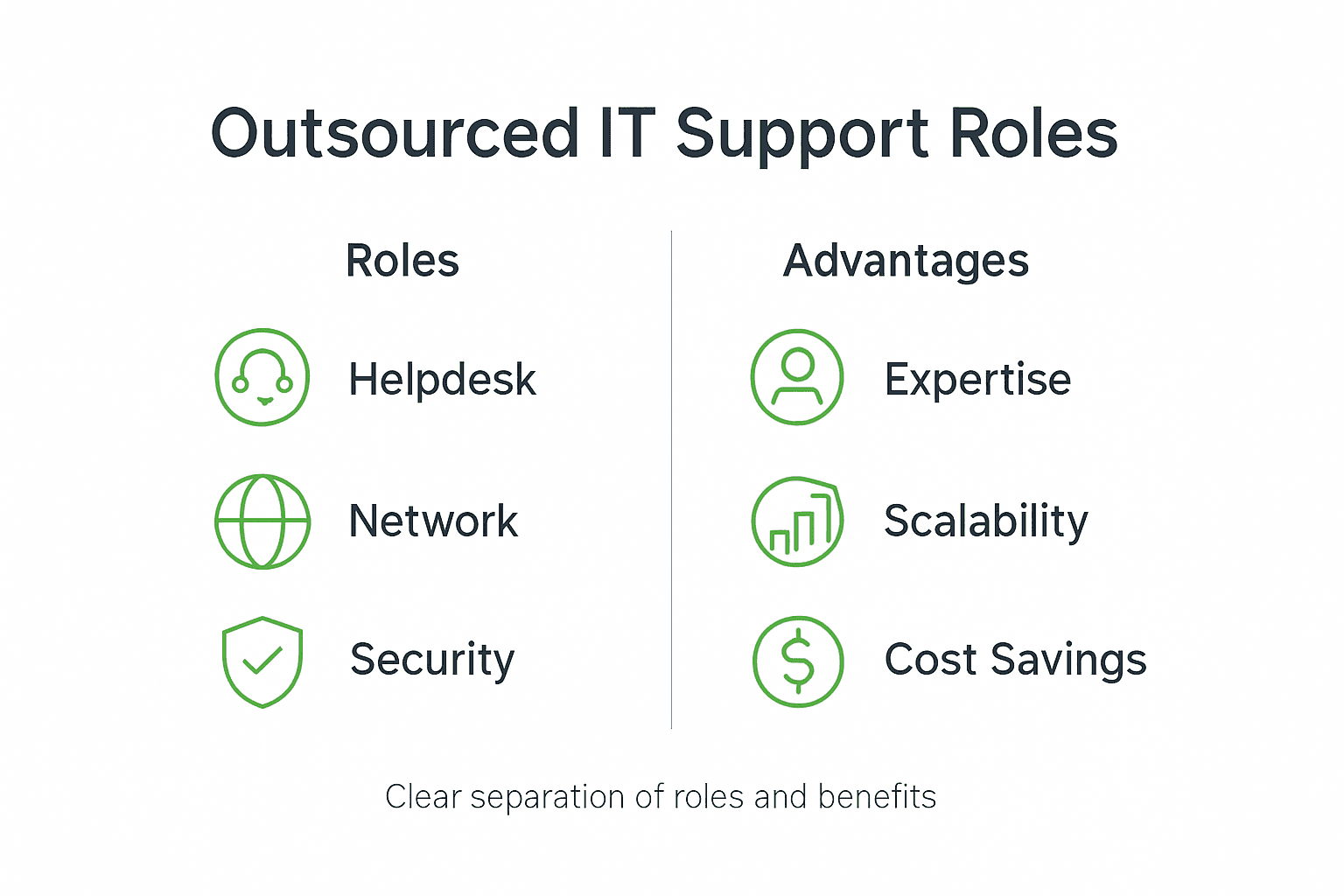
The table below summarizes how IT support roles vary in their focus and business value for outsourcing strategies:
| Role Type | Main Focus | Outsourcing Advantage | Example Impact |
|---|---|---|---|
| Help Desk Technician | User issue resolution | Quick response at lower cost | Boosts employee productivity |
| Network Administrator | Network connectivity and uptime | Access to specialized skill sets | Reduces network downtime risks |
| Cybersecurity Specialist | Security and compliance | Enhanced threat monitoring | Minimizes data breach incidents |
| Field Support Engineer | Onsite technical interventions | Localized issue resolution | Speeds up hardware repair |
Pro tip: Develop a comprehensive skills matrix that clearly defines performance expectations and technical competencies for each outsourced IT support role to ensure alignment with organizational objectives.
Core Responsibilities and Required Skill Sets
IT support professionals require a sophisticated blend of technical expertise and interpersonal skills that extend far beyond basic troubleshooting. Technical support strategies demand comprehensive capabilities across multiple technological domains and communication platforms.
Core responsibilities for IT support professionals typically encompass:
- Technical Diagnostics: Identifying and resolving hardware and software issues
- System Maintenance: Performing regular updates, patches, and infrastructure optimization
- User Support: Providing clear, patient guidance for technical challenges
- Security Management: Implementing and monitoring cybersecurity protocols
- Documentation: Creating and maintaining detailed technical records and problem resolution workflows
The required skill sets for effective IT support professionals are multifaceted and include:
- Technical Proficiency: Advanced knowledge of operating systems (Windows, macOS, Linux)
- Networking Skills: Understanding network infrastructure and connectivity protocols
- Problem-Solving Capabilities: Analytical thinking and strategic issue resolution
- Communication Expertise: Translating complex technical concepts for non-technical users
- Adaptability: Quick learning and staying current with emerging technological trends
Successful IT support professionals bridge the gap between complex technological systems and user experiences, requiring both deep technical knowledge and exceptional interpersonal abilities. Organizations seeking to outsource these roles must carefully evaluate candidates based on their comprehensive skill sets and demonstrated ability to manage technological challenges effectively.
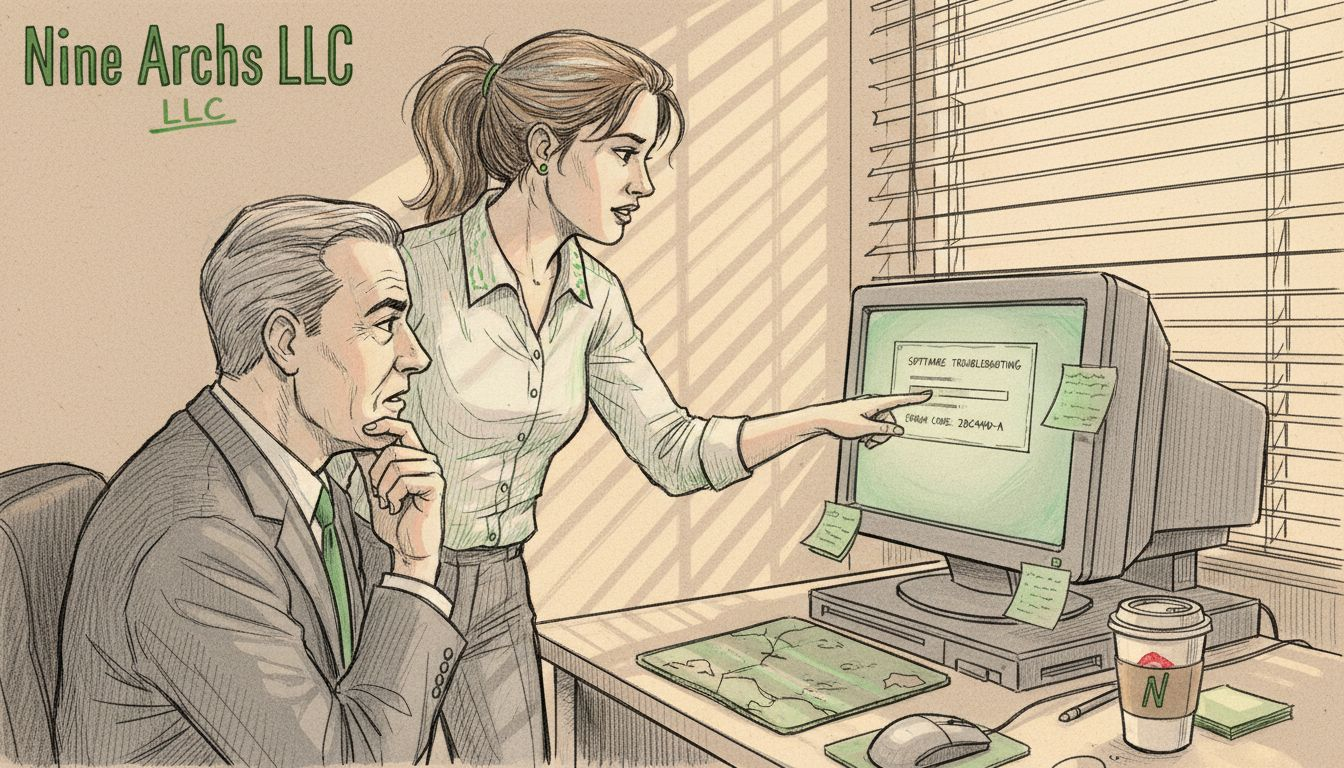
Pro tip: Implement a rigorous skills assessment process that evaluates both technical competencies and soft skills to ensure holistic candidate selection for IT support roles.
Real-World IT Support Role Applications
IT support roles demonstrate extraordinary versatility across diverse industry sectors, transforming technological challenges into strategic solutions. Support desk services play a critical role in maintaining operational continuity and technological resilience across complex organizational environments.
Real-world applications of IT support roles span multiple critical domains:
- Government Sector: Managing emergency response systems, public safety databases, and secure communication networks
- Healthcare: Maintaining patient record systems, telemedicine platforms, and critical medical infrastructure
- Financial Services: Protecting sensitive transaction systems, ensuring cybersecurity, and maintaining compliance protocols
- Manufacturing: Supporting automated production systems, managing industrial control networks, and optimizing technological workflows
- Education: Enabling remote learning platforms, managing institutional technology resources, and supporting digital classroom infrastructure
- Telecommunications: Maintaining communication networks, troubleshooting connectivity issues, and ensuring service reliability
Each industry demands specialized IT support approaches that go beyond traditional technical troubleshooting. Successful IT support professionals must adapt their technical skills to unique organizational contexts, understanding the specific technological ecosystems and operational requirements of different sectors. This adaptability transforms IT support from a reactive service to a proactive strategic partner in organizational success.
Pro tip: Develop sector-specific training modules that help IT support professionals understand the unique technological challenges and regulatory requirements of different industry verticals.
Risks, Cost Factors, and Integration Challenges
IT outsourcing presents a complex landscape of potential risks and strategic considerations that demand comprehensive planning and proactive management. Understanding IT outsourcing challenges requires a nuanced approach that balances operational efficiency with strategic risk mitigation.
Key risks in IT support outsourcing include:
- Data Security: Potential vulnerabilities in sensitive information management
- Operational Disruption: Unexpected service interruptions or performance inconsistencies
- Communication Barriers: Misalignment between client expectations and vendor capabilities
- Quality Control: Variability in technical support standards and response times
Cost factors that significantly impact outsourcing decisions encompass:
- Vendor Selection Costs: Initial screening and evaluation expenses
- Training and Onboarding: Investment required to integrate external support teams
- Infrastructure Compatibility: Expenses related to technological alignment
- Ongoing Management: Resources dedicated to monitoring and maintaining outsourced relationships
Successful IT support outsourcing demands a strategic approach that goes beyond simple cost reduction. Organizations must develop robust frameworks for vendor selection, performance monitoring, and continuous improvement. This requires developing clear communication protocols, establishing precise service level agreements, and creating flexible integration strategies that can adapt to evolving technological landscapes.
Here’s a comparison of core IT outsourcing risks and recommended management strategies:
| Risk Area | Typical Challenge | Mitigation Strategy |
|---|---|---|
| Data Security | Sensitive info exposure | Enforce strict access controls |
| Communication Barriers | Vendor-client misalignment | Regular status meetings |
| Quality Control | Varying support standards | Define SLAs and KPIs |
| Operational Disruption | Unexpected service outage | Backup and contingency plans |
Pro tip: Develop a comprehensive risk assessment matrix that quantifies potential outsourcing challenges and creates contingency plans for each identified risk scenario.
Unlock the Full Value of IT Support Outsourcing with NineArchs
The article highlights the challenges companies face when navigating the complex landscape of IT support roles and outsourcing. From managing tiered technical expertise to addressing risks like data security and communication barriers, these pain points can slow your business growth and strain internal resources. Maximizing outsourcing value means aligning the right IT roles with your operational goals while ensuring quality, scalability, and robust support.
At NineArchs LLC, we specialize in delivering tailored remote workforce solutions designed to address precisely these challenges. Whether you need help desk technicians, network administrators, or cybersecurity specialists, our professional outsourcing services empower your business to overcome integration hurdles and cost concerns while enhancing productivity. Our approach focuses on reliability, innovation, and seamless alignment with your strategic objectives.
Ready to transform your IT support strategy and experience scalable, cost-efficient outsourcing solutions? Explore how our expertise in IT support roles and technical outsourcing can elevate your business by visiting our Contact Page.
Take charge of your IT support outsourcing today. Connect with NineArchs to build a skilled, flexible remote team that drives technology success and operational excellence. Reach out now at https://ninearchs.com/contact and start maximizing your outsourcing value.
Frequently Asked Questions
What are the main tiers of IT support?
IT support roles typically follow a tiered structure consisting of three levels: Tier 1 for basic technical issues, Tier 2 for more complex problems requiring specialized knowledge, and Tier 3 for senior engineers managing enterprise-level challenges.
What are the benefits of outsourcing IT support roles?
Outsourcing IT support allows organizations to access specialized technical talent without the need for extensive internal infrastructure, helping to improve operational efficiency and scalability while also reducing costs.
What key responsibilities do IT support professionals have?
Core responsibilities for IT support professionals include technical diagnostics, system maintenance, user support, security management, and documentation of processes and solutions.
What are the common risks associated with outsourcing IT support?
Common risks include data security vulnerabilities, operational disruptions, communication barriers, and variability in quality control. Organizations should develop strategies to mitigate these risks effectively.
Recommended
- Master the IT Support Delegation Process for Streamlined Results | NineArchs
- Complete Guide to IT Support Outsourcing | NineArchs
- Why Outsource Administrative Support: Complete Guide | NineArchs
- Why Outsource Support Desk: Complete Guide for 2025 | NineArchs
- IT Support Benefits Explained: Value for Brisbane SMEs – IT Start