
Over 60 percent of multinational organizations report that complex technical issues can disrupt critical operations without a dedicated IT support desk in place. For american IT managers overseeing global teams, the challenge of maintaining high service standards while managing costs is always top of mind. This article demystifies the core functions of an IT support desk, showing how outsourcing can transform support delivery, cut expenses, and ensure consistent service across every office location.
Core Functions of an IT Support Desk
An IT support desk serves as the critical nerve center for resolving technical challenges and maintaining operational continuity within an organization. By acting as the primary interface between technology users and technical solutions, these specialized teams manage a complex array of support desk services that keep businesses running smoothly.
The core functions of an IT support desk encompass several key responsibilities that go far beyond simple troubleshooting. These typically include:
- Incident Management: Quickly identifying, categorizing, and resolving technical problems
- Service Request Processing: Handling user requests for software access, hardware upgrades, and system modifications
- Knowledge Base Maintenance: Documenting solutions and creating reusable technical resources
- User Communication: Providing clear, timely updates about technical issues and resolution status
- Remote Technical Assistance: Offering direct troubleshooting through screen sharing and remote access tools
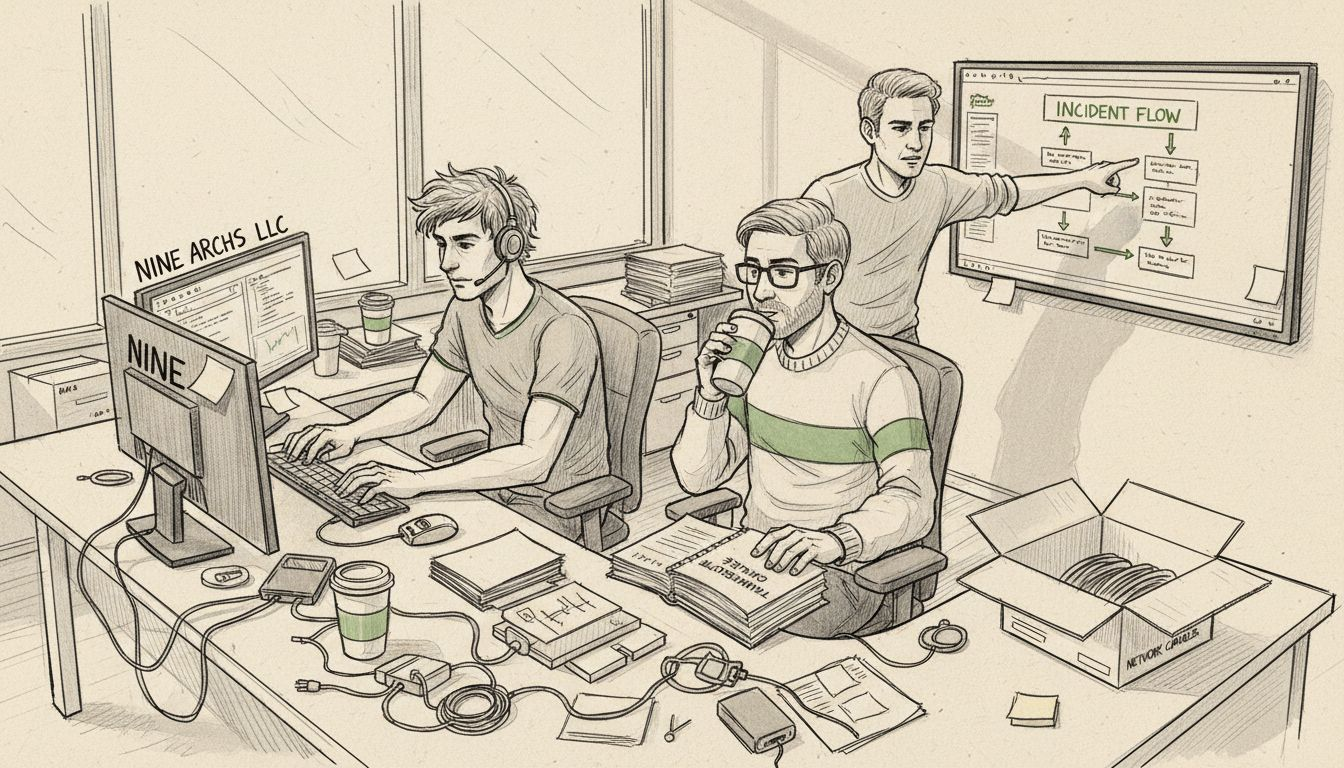
Effective IT support desks operate using structured workflows that prioritize issues based on their complexity and potential business impact. Technicians utilize sophisticated ticketing systems to track each reported problem from initial reporting through complete resolution, ensuring accountability and transparency throughout the support process.
Beyond immediate technical resolution, modern IT support desks play a strategic role in organizational efficiency. They collect critical data about recurring technical challenges, helping leadership identify systemic issues and proactively improve technological infrastructure. By transforming reactive problem solving into strategic technological insights, these teams become essential partners in driving business performance.
Pro tip: Implement a robust knowledge management system that allows support technicians to quickly document and share solutions, reducing repetitive troubleshooting and improving overall response times.
Key Types and Service Models
IT support desks have evolved to offer multiple service models that cater to diverse organizational needs, providing flexible solutions for technical assistance and problem resolution. These models range from traditional in-house support to comprehensive support desk services that leverage external expertise and technological capabilities.
The primary service models for IT support desks typically include:
- Tier-Based Support Model:
- Tier 1: First-level support handling basic inquiries and standard troubleshooting
- Tier 2: Advanced technical specialists addressing complex technical challenges
- Tier 3: Expert-level support for highly specialized or critical system issues
- Delivery Approach Models:
- On-Site Support: Technicians physically present at client locations
- Remote Support: Virtual assistance through digital communication channels
- Hybrid Support: Combination of on-site and remote technical services
- Engagement Structures:
- Break-Fix Model: Reactive support addressing issues as they occur
- Managed Services Model: Proactive, ongoing technical management and monitoring
- Co-Managed Support: Collaborative approach between internal IT teams and external support providers
Organizations must carefully evaluate their technological infrastructure, budget constraints, and operational requirements when selecting an appropriate support desk model. Factors such as company size, industry complexity, technological sophistication, and budget significantly influence the most suitable service approach.
Modern IT support desk models increasingly incorporate advanced technologies like artificial intelligence, machine learning, and predictive analytics. These innovations enable more sophisticated issue prediction, faster resolution times, and enhanced user experience, transforming traditional support mechanisms into strategic technological partnerships.
Pro tip: Conduct a comprehensive organizational technology audit before selecting an IT support model to ensure alignment with your specific operational needs and future scalability requirements.
Here’s a comparison of common IT support desk service models and their typical benefits:
| Service Model | Typical Use Case | Key Benefit |
|---|---|---|
| In-House Support | Large firms with complex systems | Direct control and rapid response |
| Outsourced Support | Cost-focused or growing businesses | Scalable staffing and lower costs |
| Hybrid/Co-Managed | Firms needing flexibility | Internal expertise plus 24/7 help |
How Outsourced IT Desks Operate
Outsourced IT desks function as sophisticated global service platforms that seamlessly integrate advanced technological infrastructure with strategic human expertise. By leveraging comprehensive IT support outsourcing strategies, these specialized teams deliver technical support that transcends traditional geographical and organizational boundaries.
The operational framework of outsourced IT desks typically involves several critical components:
- Global Talent Allocation:
- Recruiting specialized technical professionals
- Implementing rigorous training programs
- Ensuring consistent skill standardization across teams
- Technology Infrastructure:
- Implementing robust ticketing management systems
- Utilizing advanced remote access technologies
- Integrating artificial intelligence and machine learning tools
- Maintaining secure communication protocols
- Service Delivery Mechanisms:
- 24/7 technical support availability
- Multilingual communication capabilities
- Standardized response and resolution protocols
- Performance tracking and continuous improvement processes
Outsourced IT support operations rely on meticulously defined Service Level Agreements (SLAs) that establish clear expectations for response times, issue resolution, and performance metrics. These agreements create transparent frameworks that align the outsourced team’s objectives with the client organization’s technological requirements, ensuring consistent and predictable support outcomes.
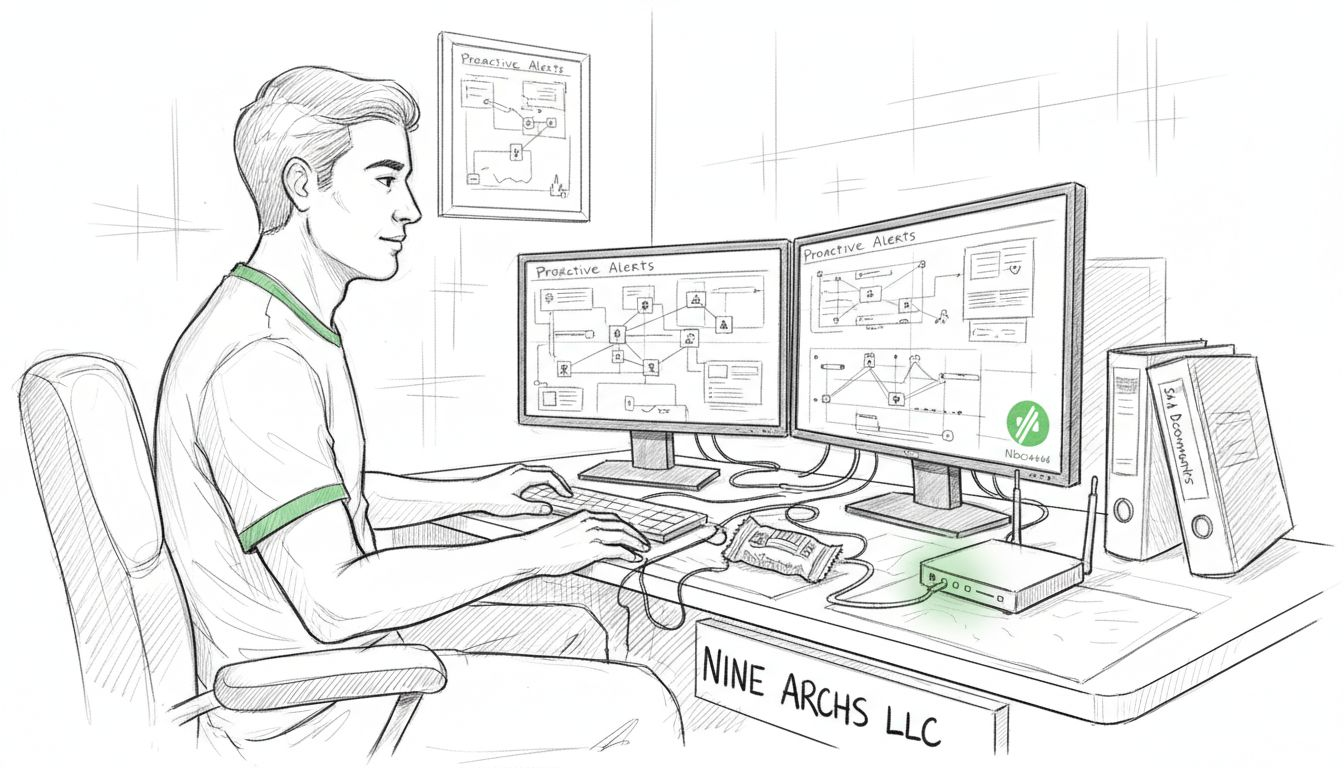
Advanced outsourced IT desks distinguish themselves by implementing proactive monitoring and predictive maintenance strategies. By analyzing historical data, identifying potential system vulnerabilities, and developing preemptive solutions, these teams transform traditional reactive support models into strategic technological partnerships that drive organizational efficiency and technological resilience.
Pro tip: Develop comprehensive documentation and knowledge transfer protocols to ensure seamless communication and consistent service quality between your internal teams and outsourced IT support providers.
Essential Skills and Technology Requirements
Successful outsourced IT support desks demand a sophisticated blend of technical expertise and interpersonal capabilities. By understanding comprehensive IT support skills, organizations can build high-performance teams that deliver exceptional technological assistance and customer experiences.
The essential skills for IT support professionals can be categorized into two primary domains:
Technical Skill Requirements:
- Advanced hardware and software troubleshooting
- Proficiency in multiple operating systems
- Network configuration and security protocols
- Cybersecurity fundamentals
- Cloud computing technologies
- Remote desktop management
- Virtualization platform expertise
Soft Skill Requirements:
- Exceptional verbal and written communication
- Active listening and empathy
- Problem-solving and critical thinking
- Multilingual capabilities
- Cultural adaptability
- Stress management
- Customer service orientation
Modern IT support technology infrastructure requires comprehensive toolsets that enable seamless remote assistance, issue tracking, and performance monitoring. Critical technological requirements include robust ticketing systems, secure communication platforms, knowledge management databases, and advanced diagnostic tools that facilitate rapid problem resolution and transparent reporting.
The evolving landscape of technological support demands continuous learning and skill adaptation. Support professionals must demonstrate flexibility in navigating emerging technologies, understanding complex system interactions, and quickly acquiring expertise in new software and hardware environments. This adaptive capability transforms traditional support roles into strategic technological partnership positions that drive organizational innovation and efficiency.
Pro tip: Implement a quarterly skills assessment and training program to ensure your IT support team remains current with emerging technological trends and maintains peak performance capabilities.
Cost, Risks, and Common Pitfalls
Outsourcing IT support involves navigating a complex landscape of financial considerations and potential operational challenges. By understanding the comprehensive risks of IT support outsourcing, organizations can develop strategic mitigation strategies that protect their technological infrastructure and financial investments.
Key financial and operational risks include:
Direct Cost Considerations:
- Initial transition and onboarding expenses
- Training and knowledge transfer costs
- Potential productivity losses during implementation
- Ongoing management and oversight expenses
- Contract negotiation and legal documentation fees
Operational Risk Factors:
- Data security and confidentiality vulnerabilities
- Communication and cultural alignment challenges
- Performance inconsistency and quality control issues
- Potential service level agreement (SLA) breaches
- Limited organizational control over support processes
- Technology integration and compatibility complexities
Many organizations underestimate the hidden costs associated with IT support outsourcing. Beyond direct financial expenditures, companies must account for potential productivity disruptions, intellectual property risks, and the substantial time investment required to establish effective working relationships with external support providers.
Successful outsourcing demands a comprehensive risk management approach that goes beyond simple cost comparisons. Organizations must develop robust evaluation frameworks that assess potential providers based on technical capabilities, cultural compatibility, security protocols, and long-term strategic alignment. This holistic approach transforms risk management from a defensive strategy to a proactive mechanism for technological optimization and organizational resilience.
Pro tip: Conduct a thorough due diligence process that includes comprehensive vendor assessments, pilot testing, and incremental implementation to minimize potential risks and validate outsourcing decisions.
The following table summarizes financial and operational risks of IT support outsourcing and how to mitigate them:
| Risk Type | Example Challenge | Mitigation Approach |
|---|---|---|
| Financial | Higher onboarding or hidden costs | Detailed contracts, phased rollout |
| Operational | Inconsistent support response quality | Strict SLAs, regular performance audits |
| Security | Data leakage or policy conflicts | Strong NDAs, vendor security reviews |
| Cultural | Misaligned communication expectations | Cross-cultural training, clear guidelines |
Comparing In-House vs Outsourced Support
Choosing between in-house and outsourced IT support represents a critical strategic decision that impacts organizational technological capabilities and operational efficiency. By understanding the nuanced benefits of tech support outsourcing, businesses can make informed choices that align with their technological infrastructure and growth objectives.
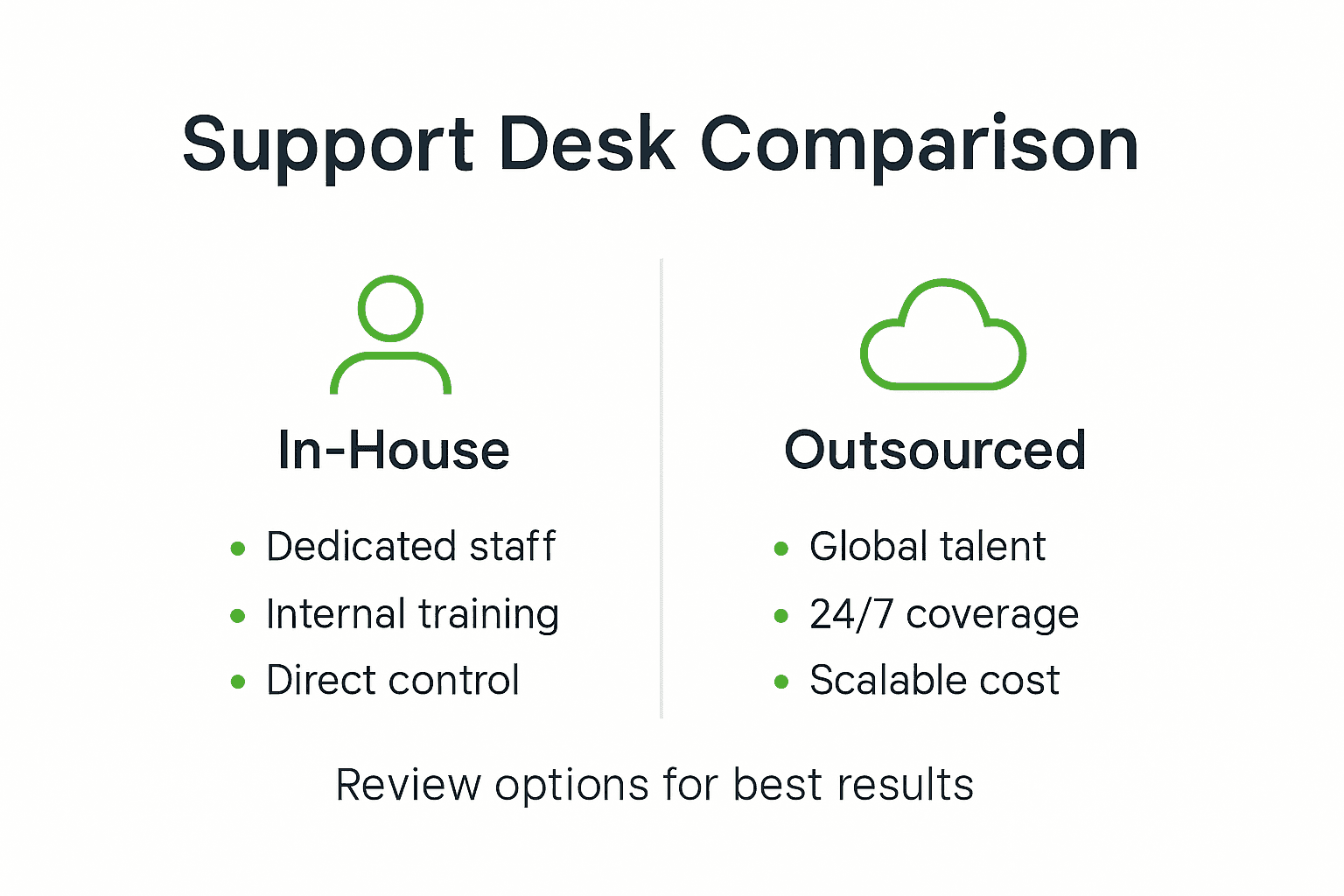
Key comparison points between in-house and outsourced support models include:
In-House Support Advantages:
- Direct organizational control
- Deeper understanding of internal systems
- Immediate physical accessibility
- Stronger cultural alignment
- Potential for faster emergency response
Outsourced Support Advantages:
- Lower operational costs
- Access to specialized global talent
- 24/7 technical coverage
- Scalable support infrastructure
- Advanced technological resources
- Reduced recruitment and training expenses
Cost considerations represent a fundamental differentiator between these support models. In-house support requires substantial upfront investments in recruitment, training, infrastructure, and ongoing professional development. Outsourced support, conversely, transforms fixed technological expenses into flexible operational costs, allowing organizations to allocate resources more strategically.
The decision between in-house and outsourced support is not binary but exists on a nuanced spectrum. Many organizations now adopt hybrid models that combine internal expertise with external specialized support, creating flexible technological ecosystems that maximize efficiency, minimize risks, and maintain robust technical capabilities. Successful implementation requires careful assessment of organizational needs, technological complexity, budget constraints, and long-term strategic objectives.
Pro tip: Conduct a comprehensive internal technology audit and develop a detailed cost-benefit analysis before selecting your support model, considering both immediate financial implications and long-term strategic alignment.
Elevate Your IT Support Desk with Tailored Outsourcing Solutions
Facing challenges such as high operational costs and inconsistent support quality can disrupt your business growth and technology reliability. This article highlights critical pain points like managing complex incident workflows, maintaining knowledge bases, and ensuring 24/7 coverage. If your organization struggles with scaling support or integrating advanced tools like AI-driven ticketing and remote assistance, these obstacles may be holding back your company’s efficiency and resilience.
At NineArchs LLC, we understand how vital it is to transform your IT support from a reactive cost center into a strategic advantage. Our expertise in remote workforce solutions, including skills outsourcing and business process outsourcing, empowers you to benefit from global talent while reducing risks associated with onboarding and operational control. Whether you need seamless knowledge management or scalable support services that align with your complex infrastructure, our team delivers reliable, innovative, and cost-effective solutions tailored to your needs.
Boost your IT support desk performance today with proven outsourcing strategies that drive productivity and resilience.
Ready to transition your IT support toward efficiency and scalability Why wait to reduce costs while enhancing service quality Connect with our experts now at NineArchs LLC contact and take the first step toward a cutting-edge outsourced IT support experience that supports your business growth.
Frequently Asked Questions
What are the core functions of an IT support desk?
The core functions of an IT support desk include incident management, service request processing, knowledge base maintenance, user communication, and remote technical assistance.
How do outsourced IT support desks operate?
Outsourced IT support desks operate by integrating global talent with advanced technology infrastructure, providing round-the-clock support and utilizing Service Level Agreements (SLAs) to ensure consistent service quality.
What are the advantages of outsourcing IT support compared to in-house support?
Outsourcing IT support offers benefits such as lower operational costs, access to specialized talent, 24/7 technical coverage, and advanced technological resources, while in-house support provides direct control and deeper knowledge of internal systems.
What risks are involved with outsourcing IT support?
Common risks of outsourcing IT support include financial considerations, data security vulnerabilities, potential service inconsistencies, and cultural alignment issues. Implementing detailed contracts and conducting thorough vendor assessments can help mitigate these risks.
Recommended
- 7 Examples of Support Desk Services for Scaling Businesses | NineArchs
- Master the IT Support Delegation Process for Streamlined Results | NineArchs
- Why Outsource Support Desk: Complete Guide for 2025 | NineArchs
- Why Outsource Administrative Support: Complete Guide | NineArchs
- De kracht van automatiseren – Ondernemers Plaza Online