
More than 80 percent of American companies now rely on support desks to power their customer service experience. Whether you are a small startup or a global corporation, the way you handle support requests shapes your reputation and bottom line. Understanding how a modern support desk operates can help businesses transform customer challenges into strong, lasting relationships while keeping operations running smoothly in a competitive market.
Defining the Support Desk in Modern Business
A support desk represents the critical communication hub for organizations seeking to deliver exceptional customer service and maintain operational efficiency. At its core, the support desk functions as a centralized point of contact where customers, employees, and stakeholders can report issues, seek information, and receive timely assistance across multiple service channels.
In contemporary business environments, support desks have evolved far beyond traditional IT troubleshooting roles. Modern support desks now encompass comprehensive service management strategies that integrate technological solutions, human expertise, and strategic problem resolution. Effective support desk services for scaling businesses typically include multiple interaction channels such as phone, email, chat, and self-service portals, enabling organizations to provide flexible and responsive customer support.
The primary functions of a support desk extend well beyond simple issue resolution. These strategic units are responsible for:
- Capturing and documenting customer interactions
- Routing complex issues to specialized teams
- Tracking performance metrics and service quality
- Providing actionable insights for organizational improvement
- Managing customer expectations and maintaining communication standards
Successful support desks operate as more than just reactive problem-solving centers. They serve as proactive communication bridges that transform customer challenges into opportunities for building trust, demonstrating organizational competence, and ultimately driving long-term customer loyalty. By implementing robust support desk frameworks, businesses can create seamless, responsive service experiences that differentiate them in competitive markets.
Service Desk Types and Key Functions
Service desks represent diverse operational models designed to meet specific organizational communication and support requirements. These specialized units can be categorized into distinct types, each serving unique business objectives and customer engagement strategies. Understanding these variations helps companies select the most appropriate support framework for their specific needs.
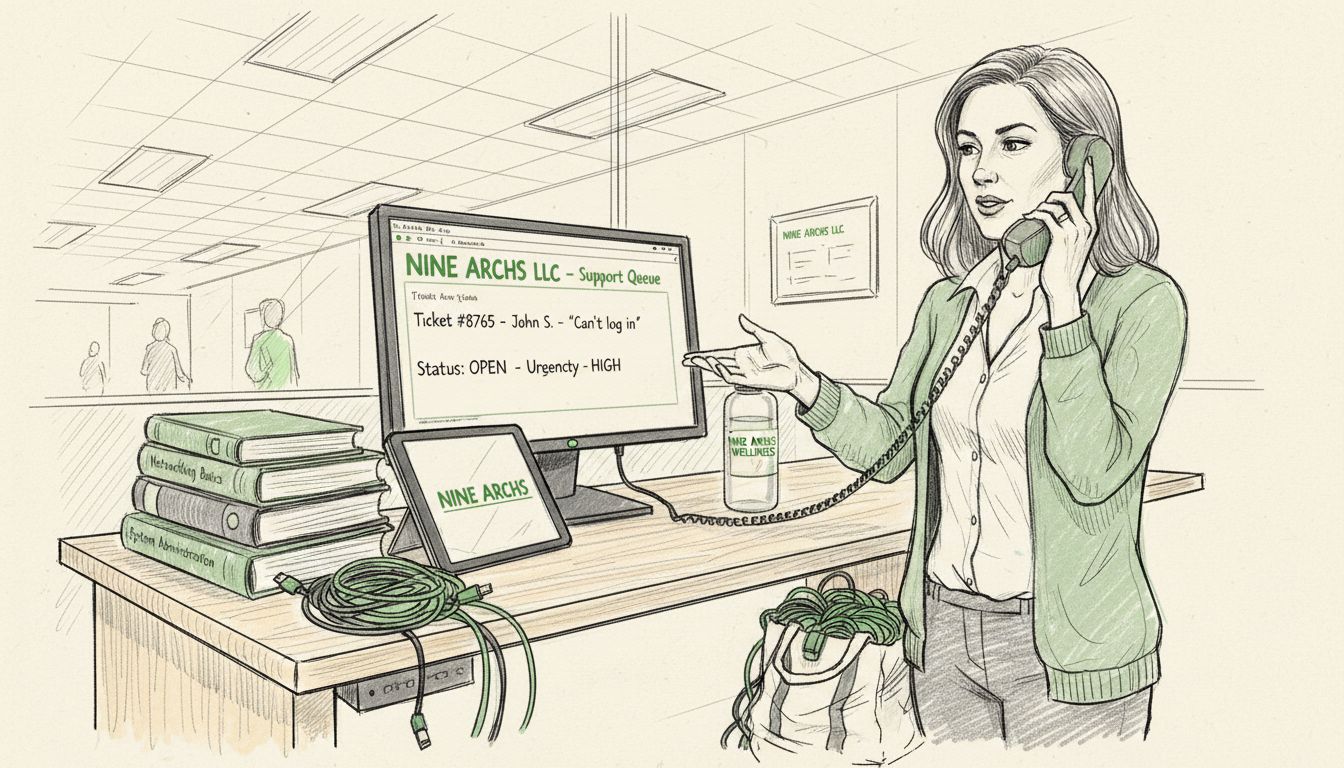
Three primary service desk types dominate modern business landscapes: call centers, contact centers, and help desks. Why outsource support desk services reveals that each type offers distinct advantages and operational capabilities. Call centers primarily manage telephone-based interactions, focusing on high-volume voice communication. Contact centers represent a more comprehensive approach, integrating multiple communication channels like phone, email, chat, and social media. Help desks specialize in technical troubleshooting and product support, typically addressing complex technology-related inquiries.
The key functions of service desks extend far beyond simple problem resolution. Critical operational responsibilities include:
- Request Management
- Capturing and logging customer inquiries
- Prioritizing and routing support tickets
- Tracking resolution timelines
- Incident Management
- Identifying and responding to service disruptions
- Implementing immediate mitigation strategies
- Documenting root cause analysis
- Performance Reporting
- Generating actionable insights from support interactions
- Tracking key performance indicators (KPIs)
- Recommending systemic improvements
Successful service desks function as strategic communication hubs that transform potential customer frustrations into opportunities for building organizational credibility. By implementing robust, multi-channel support strategies, businesses can create responsive, efficient customer experiences that differentiate them in competitive markets. The goal is not merely to solve problems but to create meaningful, positive interactions that reinforce customer trust and loyalty.
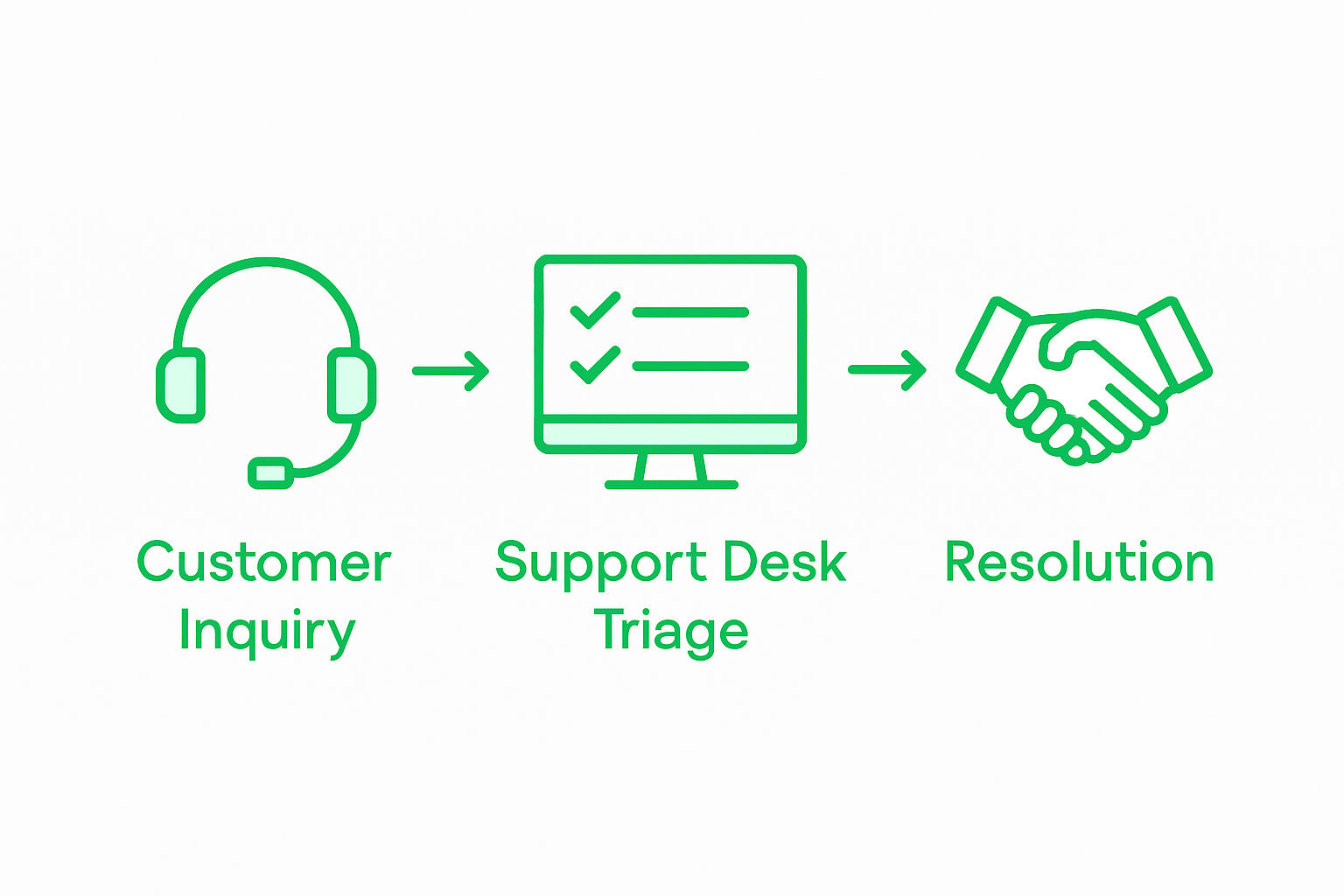
How Support Desks Shape Customer Experience
Customer experience is fundamentally transformed through strategic support desk interactions that go beyond traditional problem-solving mechanisms. These critical touchpoints serve as pivotal moments where businesses can either solidify customer loyalty or potentially lose long-term relationships through ineffective communication and resolution strategies.
Technology plays a crucial role in elevating support desk capabilities. Tech support outsourcing solutions demonstrate how advanced software and artificial intelligence can dramatically improve customer interaction quality. Modern support desks leverage sophisticated tools that enable:
- Intelligent Routing
- Matching customer issues with most qualified support personnel
- Reducing response times
- Personalizing customer interactions
- Predictive Problem Resolution
- Anticipating potential customer challenges
- Proactively offering solutions before issues escalate
- Creating seamless service experiences
- Comprehensive Communication Tracking
- Maintaining detailed interaction histories
- Ensuring consistent customer communication
- Identifying potential improvement areas
The transformative power of support desks extends far beyond technical troubleshooting. They function as strategic relationship-building platforms that can significantly impact brand perception. By implementing empathetic, efficient, and technologically advanced support strategies, organizations can convert potential frustrations into opportunities for demonstrating exceptional customer care. The ultimate goal is not just resolving issues but creating memorable, positive interactions that reinforce customer trust and drive long-term business success.
Technology and Workflow in Support Desks
Support desk technology represents a critical infrastructure that transforms traditional customer service models into dynamic, responsive communication ecosystems. These advanced technological frameworks enable organizations to streamline complex support processes, reduce resolution times, and create more intelligent, adaptive customer interaction strategies.
Modern support desk workflows leverage sophisticated software solutions that integrate multiple technological capabilities. IT support delegation processes demonstrate how strategic technological implementation can dramatically enhance operational efficiency. Key technological components that revolutionize support desk performance include:
- Artificial Intelligence Integration
- Automated ticket classification
- Predictive issue resolution
- Intelligent customer routing
- Remote Support Technologies
- Secure device access
- Real-time troubleshooting capabilities
- Minimal operational disruption
- Knowledge Management Systems
- Centralized information repositories
- Self-service resource development
- Consistent information distribution
The convergence of advanced workflow technologies and strategic process design creates a powerful mechanism for transforming customer support from a reactive function to a proactive, strategic business asset. By implementing intelligent technological solutions, support desks can transcend traditional boundaries, delivering personalized, efficient, and anticipatory service experiences that significantly enhance overall customer satisfaction and organizational performance.
Responsibilities, Challenges, and Common Pitfalls
Support desk teams shoulder complex organizational responsibilities that extend far beyond traditional technical troubleshooting. These critical units must simultaneously manage technical problem resolution, maintain customer satisfaction, and contribute to broader organizational strategic objectives while navigating numerous operational challenges.
Understanding IT outsourcing challenges reveals the intricate landscape of support desk responsibilities. The primary challenges support desk professionals encounter include:
- Workload Management
- Balancing high-volume ticket resolution
- Maintaining response time efficiency
- Preventing staff burnout
- Communication Complexity
- Translating technical issues for non-technical users
- Managing diverse communication channels
- Maintaining consistent service quality
- Technical Skill Adaptation
- Continuously updating technical knowledge
- Keeping pace with rapidly evolving technologies
- Cross-training team members for flexibility
Common pitfalls in support desk operations often stem from inadequate process design, poor communication strategies, and insufficient technological infrastructure. Successful support desks proactively address these challenges by implementing robust training programs, leveraging advanced technological tools, and creating adaptive workflow frameworks that prioritize both technical efficiency and human-centered service experiences. The ultimate goal is transforming potential friction points into opportunities for building long-term customer trust and organizational resilience.
Cost, Scalability, and Outsourcing Considerations
Support desk strategies require sophisticated financial planning that balances operational efficiency with long-term organizational objectives. Cost management represents a critical consideration for businesses seeking to optimize their customer support infrastructure while maintaining high-quality service delivery and technological capabilities.
Understanding outsourcing benefits for companies reveals complex economic dynamics that influence support desk strategies. The key financial and scalability considerations include:
- Cost Optimization Strategies
- Reducing infrastructure investment
- Minimizing full-time employee overhead
- Leveraging variable cost models
- Scalability Considerations
- Flexible workforce expansion
- Rapid team capacity adjustments
- Global talent acquisition
- Outsourcing Decision Factors
- Technical expertise availability
- Cost differential analysis
- Quality assurance mechanisms
Successful support desk outsourcing transcends simple cost reduction. Strategic implementations focus on creating adaptive, technologically sophisticated support ecosystems that can seamlessly scale with organizational growth. By carefully evaluating external talent pools, technological infrastructure, and performance metrics, businesses can develop support desk solutions that not only reduce operational expenses but also enhance overall customer experience and organizational responsiveness.
Elevate Customer Experience with Expert Support Desk Solutions
The article highlights how a support desk plays a vital role in transforming customer interactions into lasting relationships. If your business struggles with managing high volumes of customer requests, maintaining consistent communication, or adapting to evolving technology, you are not alone. Challenges such as workload management, intelligent routing, and predictive problem resolution are real pain points that can directly impact customer loyalty and brand reputation. Incorporating a strategic, technologically advanced support desk is essential to overcoming these hurdles and delivering exceptional service.
NineArchs LLC specializes in scalable remote workforce solutions that align perfectly with modern support desk needs. Whether you require expert virtual assistance to handle multi-channel communication or tailored business process outsourcing to streamline your customer service operations, we provide all the tools and talent needed to turn your customer support into a competitive advantage. Explore how our IT support delegation processes guide can help optimize your workflows. Ready to enhance your customer experience and operational efficiency?
Discover how partnering with NineArchs can empower your support desk to exceed expectations. Contact us today to start building a responsive, reliable, and innovative customer support framework that scales with your business needs. Visit NineArchs Contact for a personalized consultation and let us help you transform challenges into opportunities.
Frequently Asked Questions
What is the primary function of a support desk?
The primary function of a support desk is to serve as a centralized point of contact for customers, employees, and stakeholders to report issues, seek information, and receive timely assistance across various service channels.
How do support desks enhance customer experience?
Support desks enhance customer experience by providing proactive communication, intelligent routing of inquiries, and timely resolutions to issues, ultimately helping to build trust and loyalty among customers.
What types of service desks exist in modern business?
Modern businesses typically utilize three types of service desks: call centers, contact centers, and help desks, each offering distinct advantages in managing customer interactions and support needs.
How can technology improve the efficiency of a support desk?
Technology improves support desk efficiency through tools like artificial intelligence for automated ticket management, remote support capabilities for real-time troubleshooting, and knowledge management systems for consistent customer information access.
Recommended
- 7 Examples of Support Desk Services for Scaling Businesses | NineArchs
- Master the IT Support Delegation Process for Streamlined Results | NineArchs
- Why Outsource Support Desk: Complete Guide for 2025 | NineArchs
- Business Support Services Explained: Complete Guide | NineArchs
- Understanding Managing Customer Expectations in Diesel Services – My WordPress
- Customer Insights Analytics Guide: Unlocking Value in 2025 – ApusNest Blog | ApusNest